Skanderbeg Square · Bunk'Art · Mount Dajti · Berat and Kruja
Tirana Tours
The city walks, the communist story, the food and the day trips to Berat, Kruja and
Bovilla: what each tour really includes, what is open this month, and which ones are worth booking.
National History Museum closed until 2028 The National History Museum on Skanderbeg Square closed on 15 March 2024 for a full rebuild and is planned to reopen in March 2028. Its giant mosaic is still on view from the square; every city walk shows it from outside. Bunk'Art 2 and the House of Leaves are open. Renovation report (RTSH)Checked 1 October 2026
Facts checkedOpening days and closures from official sources
Real guest ratingsLive GetYourGuide figures, shown as they are
Refund terms per tourEvery tour here refunds in full up to 24 hours ahead
Secure checkoutBook on GetYourGuide, instant mobile tickets
Tours
Choose your Tirana tour
In the centre, the two-hour highlights walk from the Clock Tower. On the left, a longer loop with
Bunk'Art 2, the castle lane and Blloku, in English, French or Italian. On the right, the communist years in a small
group.
A longer loop with a licensed guide, morning or evening: the square, the mosque, Bunk'Art 2, the castle lane, the Pyramid and Blloku. It runs in English, French or Italian.
What's included
A licensed local guide in English, French or Italian
Morning and early-evening departures, about 2.5 hours
Skanderbeg Square, the Et'hem Bey Mosque and the Clock Tower
Bunk'Art 2, Tirana Castle and two cathedrals from outside
Two easy hours on foot from the Clock Tower: Skanderbeg Square, the House of Leaves, the Orthodox cathedral, Youth Park and the Pyramid. Guides mix history with humour and food tips.
The communist years on foot in a small group: the Postbllok memorial, the Blloku villas of the old elite, the Pyramid and the bunkers. Ideal on your first day in Tirana.
What's included
A local guide in a small group
Meet at the Twin Towers, opposite the Pyramid
The Postbllok memorial with a piece of the Berlin Wall
Blloku and the former house of Enver Hoxha
The Pyramid, Skanderbeg Square and the city centre
The first row is the honest baseline: central Tirana is small and easy on foot, and the squares, the
Pyramid steps and the castle lane need no ticket. A tour adds a guide who tells the stories, and for the day trips,
the driving on mountain roads and hotel pickup.
Option
Starts
Best for
Length
Rating
Cancel
On your own, no tour
Skanderbeg Square, on foot
Independent walkers: the squares need no ticket, the museums charge a small fee at the door
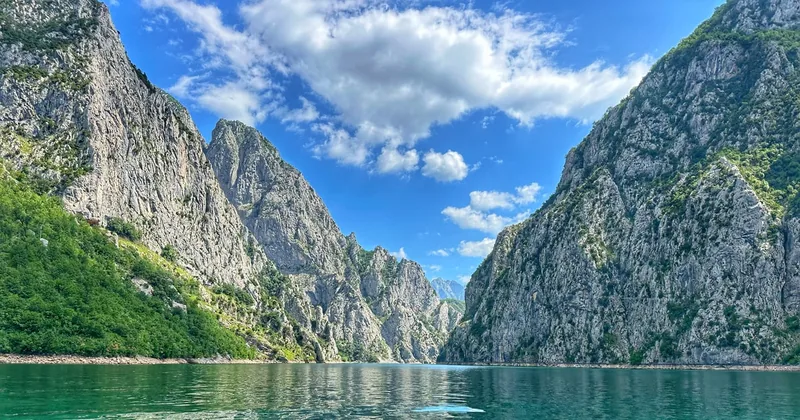
The Dajti Ekspres cable car does not run on Tuesdays, and Komani Lake boats run only from
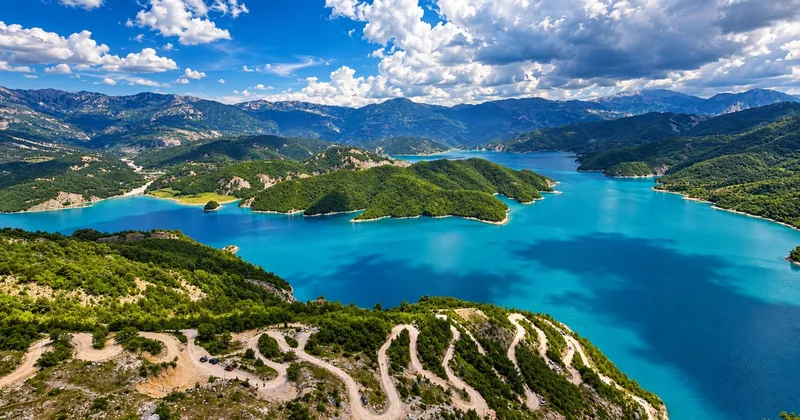
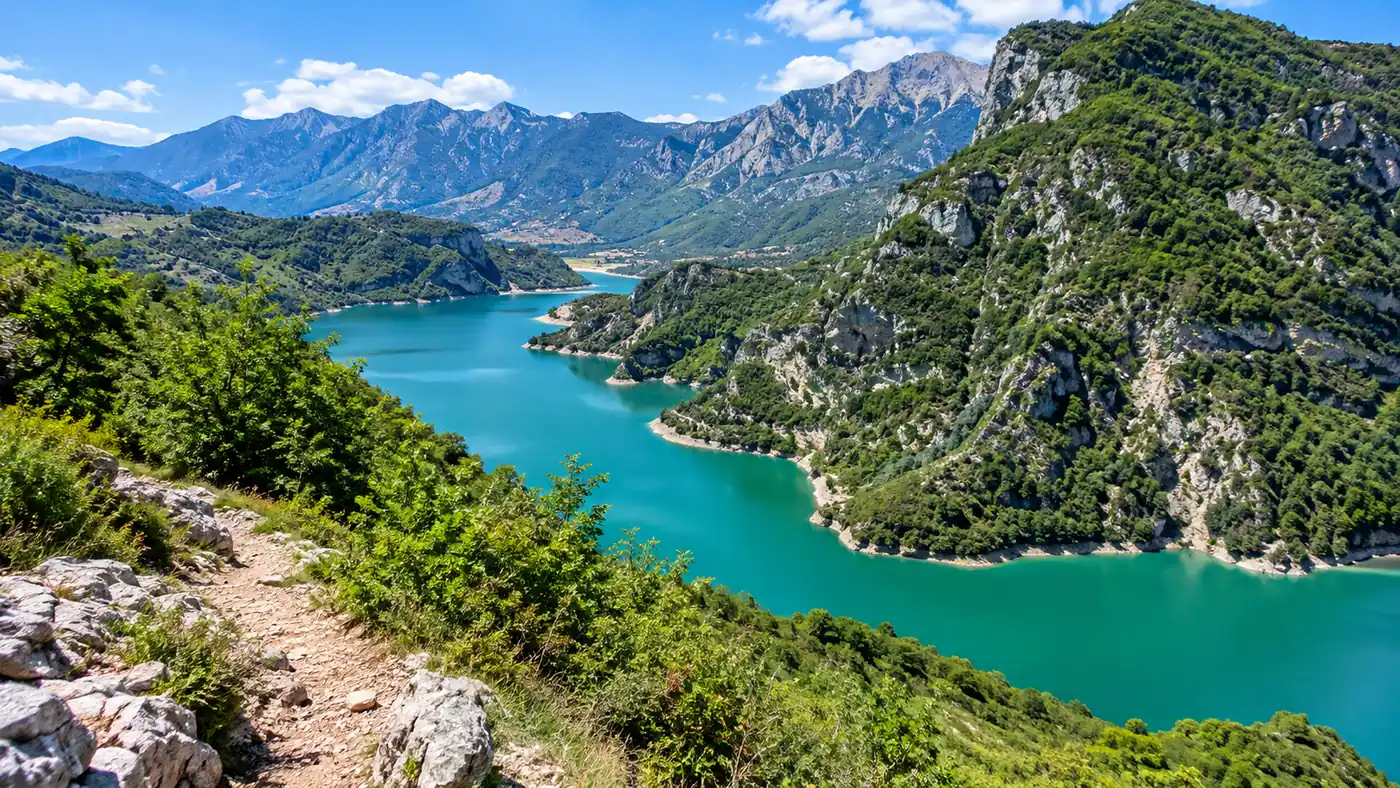
about mid-April to early November. Lake Bovilla is a drinking-water reservoir: you hike above it, nobody swims.
What the tour pages don't tell you
The best Tirana tours leave Tirana.
Look at the most reviewed "Tirana tours" and you will find Berat, Lake Bovilla, Kruja and Komani Lake: day trips
that start with hotel pickup in the capital. The city itself is a two-hour walk. Skanderbeg Square, the
mosque, the Pyramid and Blloku sit close together, and the walking tours cover them at an easy pace.
So the honest plan is one day in town, with a short guided walk and Bunk'Art, then a day trip or two. Three
things to know before you book: the National History Museum is closed until 2028, the Dajti cable car
rests on Tuesdays and is not always in a Dajti tour's price, and the long trips to Komani or Ohrid mean a very
early start and many hours on the road.
170,000+
bunkers were built across Albania under the communist
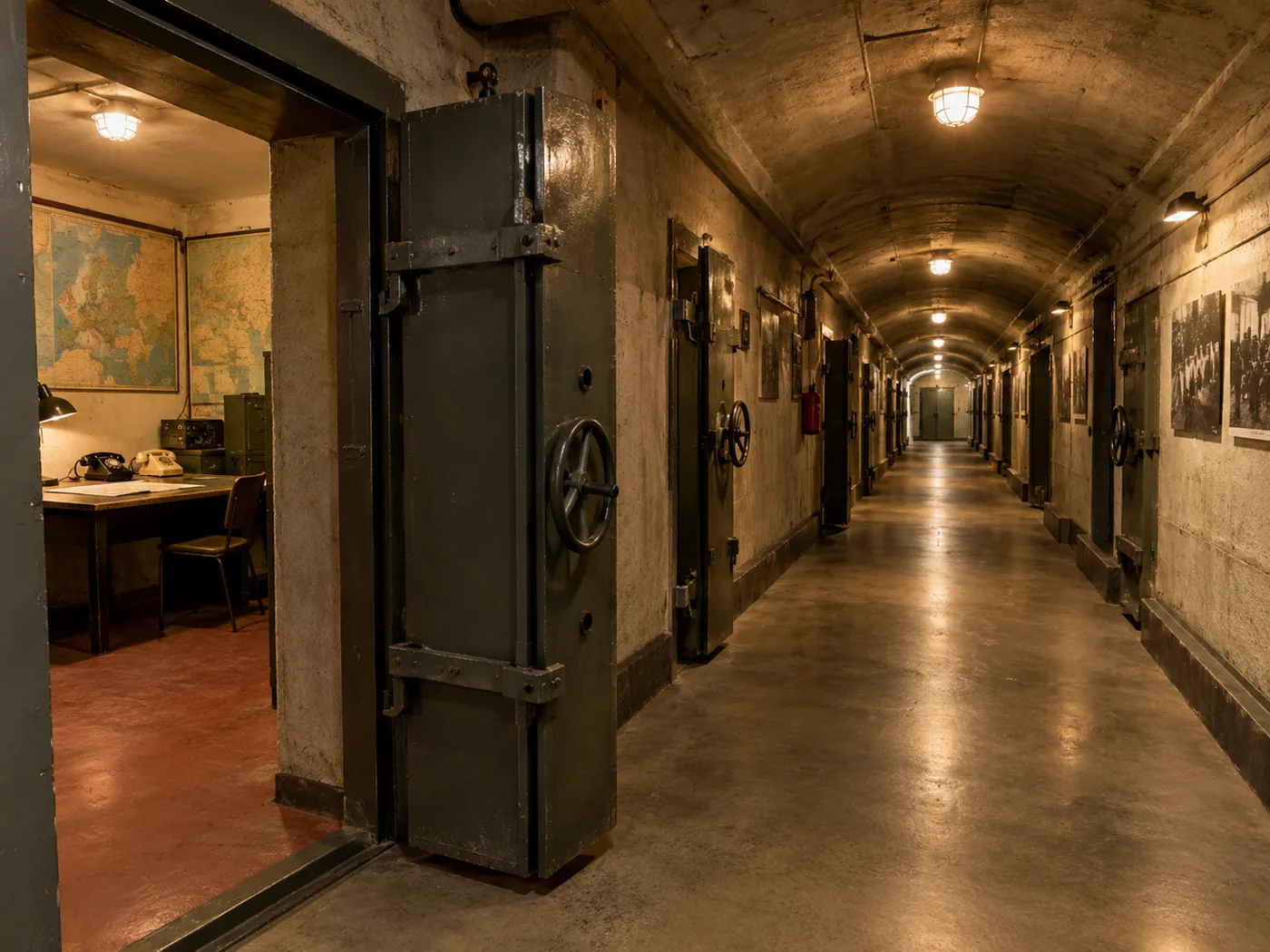
regime. Two of the biggest are now museums in Tirana: Bunk'Art 1 by Mount Dajti and Bunk'Art 2 in the centre.
Walkable centreTwo-hour city walksDay trips with hotel pickupCable car closed TuesdaysSafe and welcoming
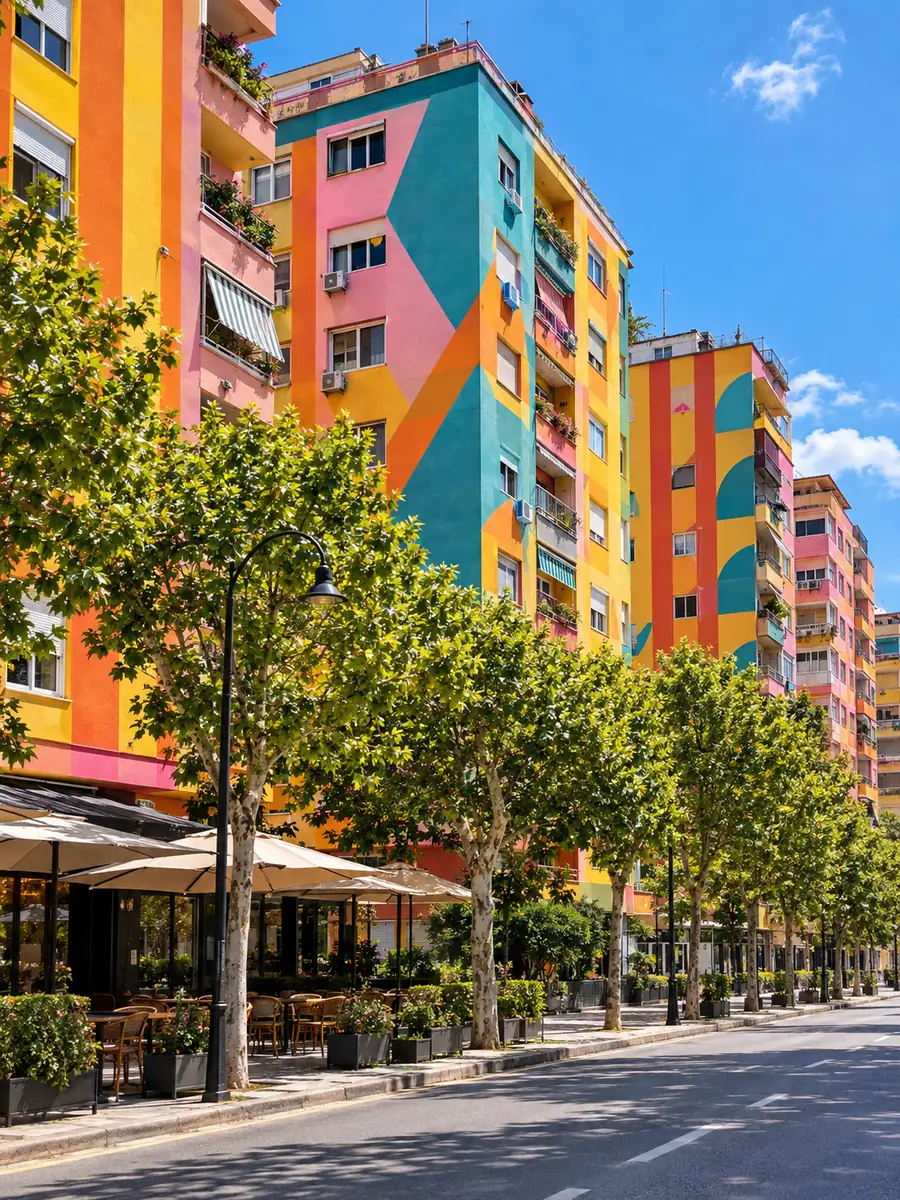
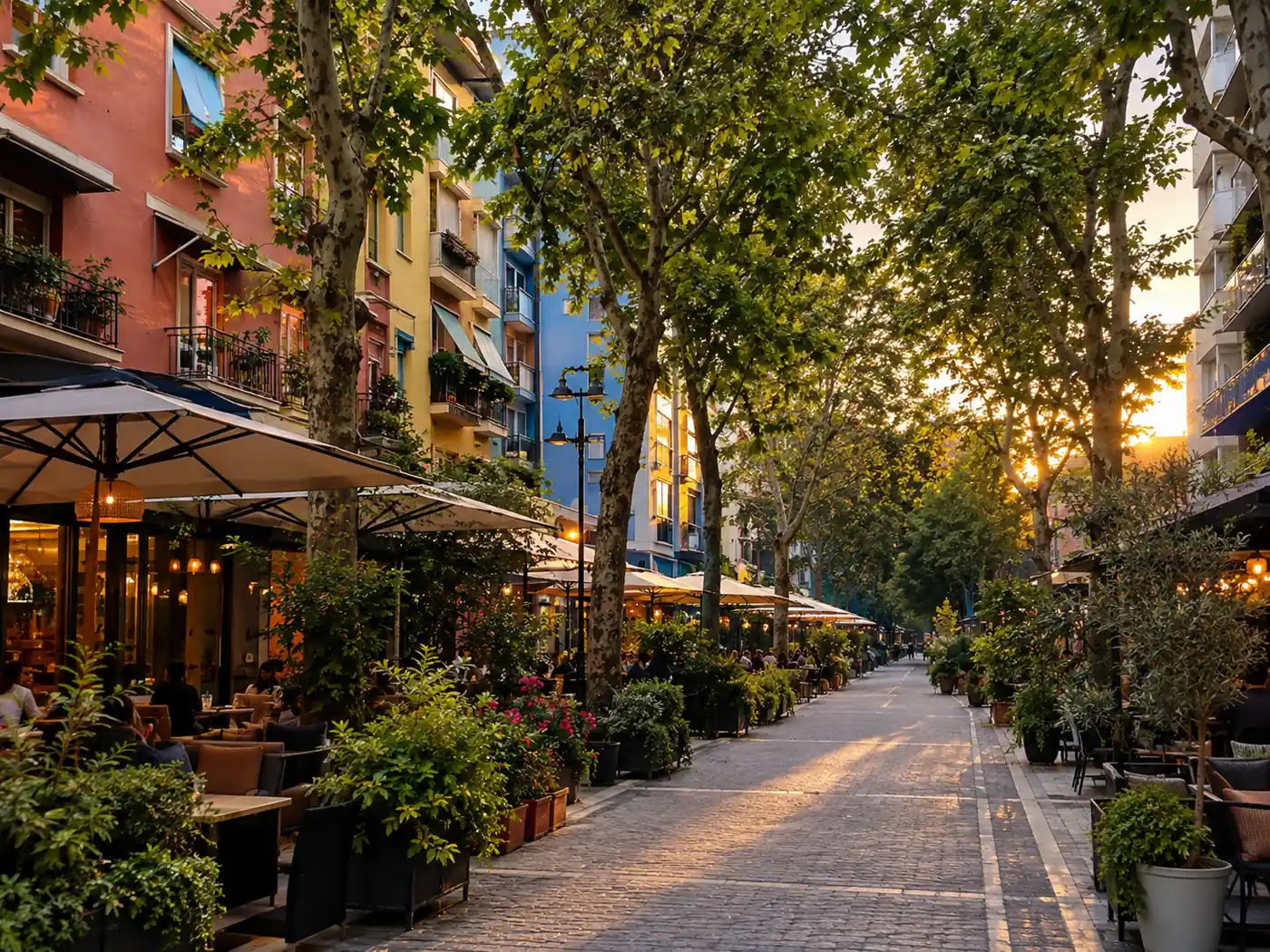
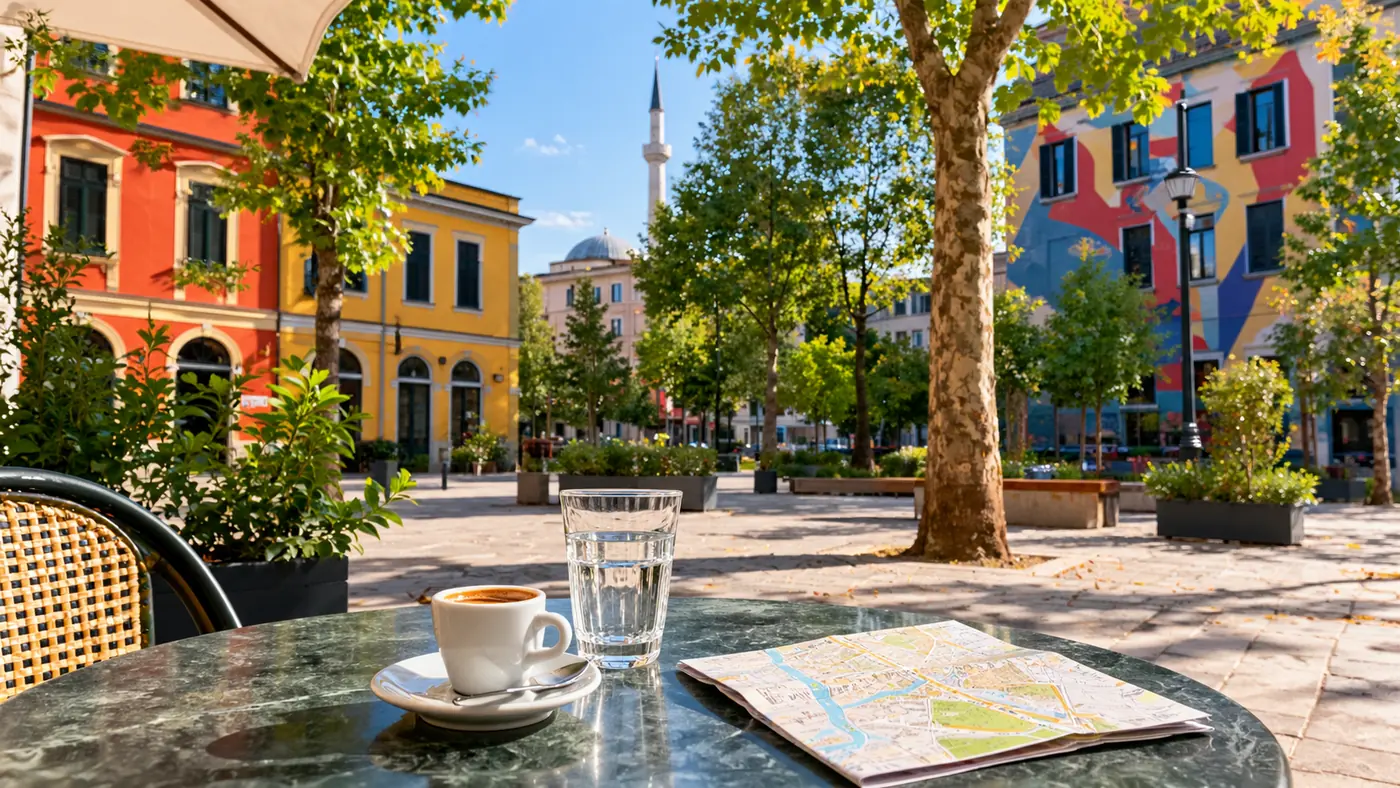
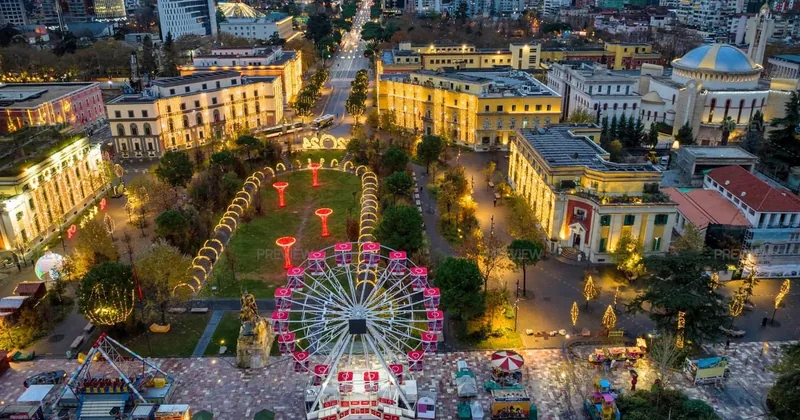
The painted facades of central Tirana, a city that chose colour.
01
Tour or not?
The centre is easy alone; a guide adds the stories, a day trip adds the driving.
02
How long?
One day for the city, two or three with day trips.
03
When?
May to June and September to October are the easiest months.
04
Which day?
Not Tuesday if you want the Dajti cable car.
How a city walk works
From the square to the mountain
Most walking tours follow the same order, and so can you on your own. Start early or in the early
evening when the summer heat drops, and keep the afternoon for a museum or the cable car.
01
Skanderbeg Square
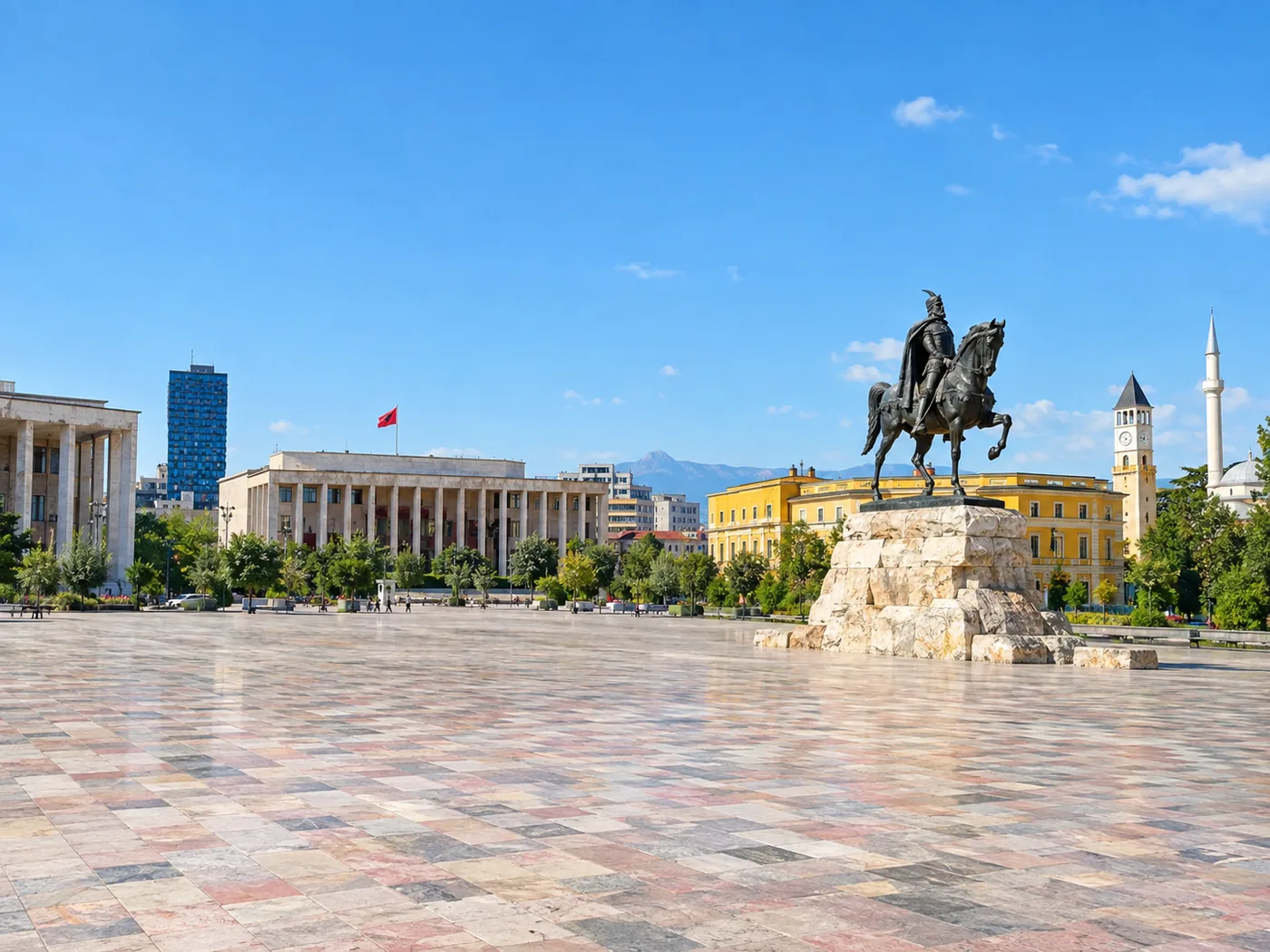
The square, the Skanderbeg statue, the Et'hem Bey Mosque, the Clock Tower and the mosaic of the closed history museum.
About 45 minutes
02
Bunk'Art 2
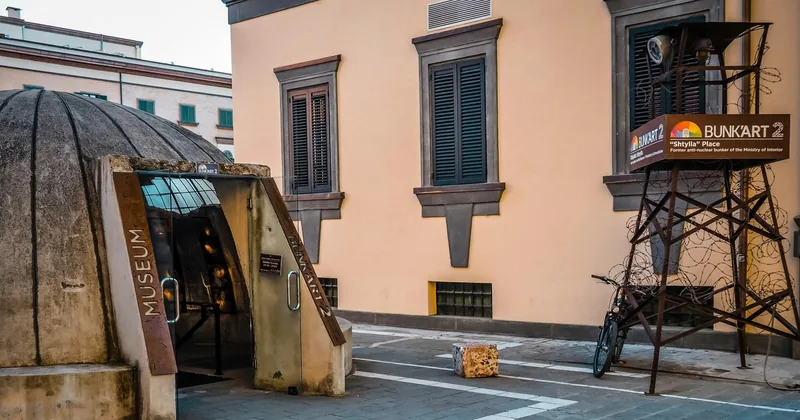
The former Interior Ministry bunker a few steps from the square, then the House of Leaves, the old secret police headquarters.
About 1.5 hours
03
Pyramid and Blloku
Climb the Pyramid's steps, pass the Postbllok memorial, and finish in Blloku, once closed to all but the communist elite.
About 1 hour
04
Mount Dajti
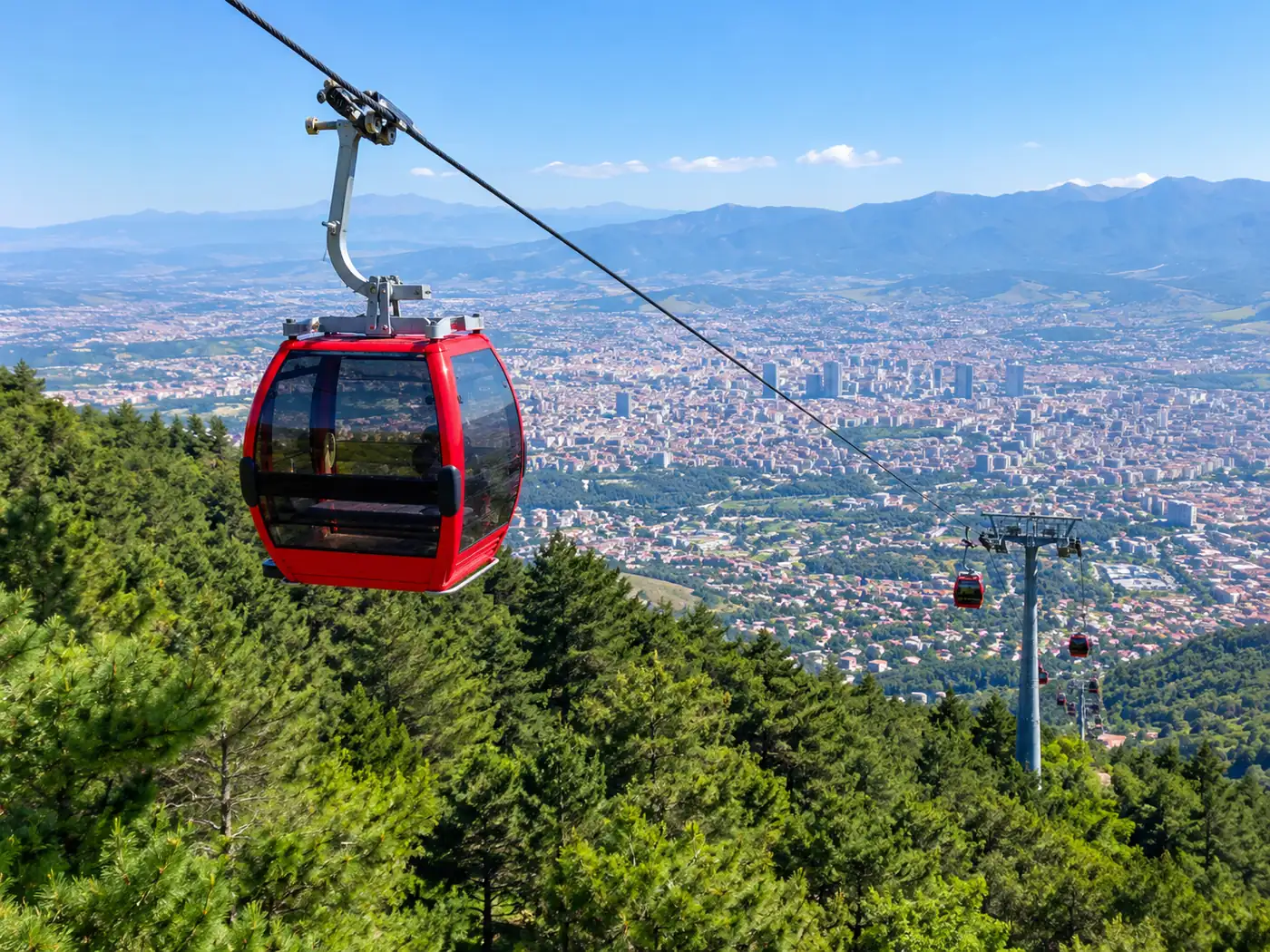
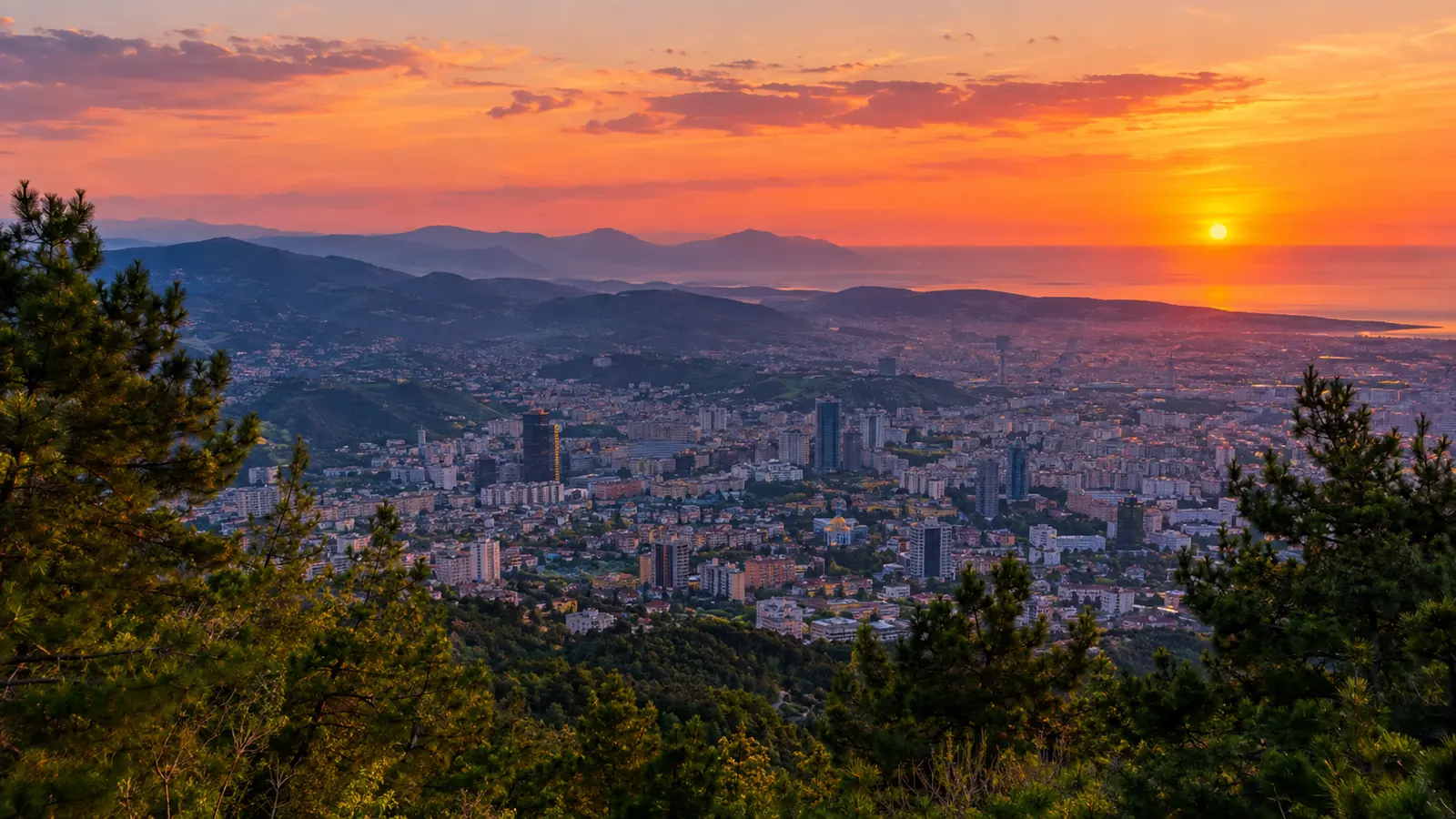
The Dajti Ekspres cable car climbs to over 1,000 metres in about 15 minutes, with the whole city below you at sunset.
When the main sights open, what you pay for at the door, how to move around and how to pay.
Dajti Ekspres: every day except Tuesday, from 9 am to the early evening; it runs on a Tuesday public holiday.
Bunk'Art 1: daily from 9:30 am; it closes an hour earlier in winter, from late October.
Bunk'Art 2: daily, 9:30 am to 6:30 pm, a few minutes from Skanderbeg Square.
House of Leaves: open in season every day; check the winter days before a Monday visit.
National History Museum: closed for a full rebuild until March 2028; the mosaic is on view from the square.
No ticket needed: Skanderbeg Square, the Pyramid steps, Postbllok, the castle lane and the Grand Park.
A small fee at the door: Bunk'Art 1 and 2, the House of Leaves and the Clock Tower.
Cable car: a return ticket at the lower station; check whether a Dajti tour includes it.
Mosques: visitors welcome outside prayer times, with shoulders and knees covered.
On a tour: check the "What's included" box; city walks show most sights from outside.
On foot: the square, Bunk'Art 2, the Pyramid, Blloku and the New Bazaar are all close together.
By taxi: use a metered or app-booked taxi, and agree the route first.
From the airport: the Rinas Express bus runs about hourly, 30 to 40 minutes to the centre; a taxi takes 20 to 30.
To Mount Dajti: a short city bus or taxi ride to the cable car's lower station.
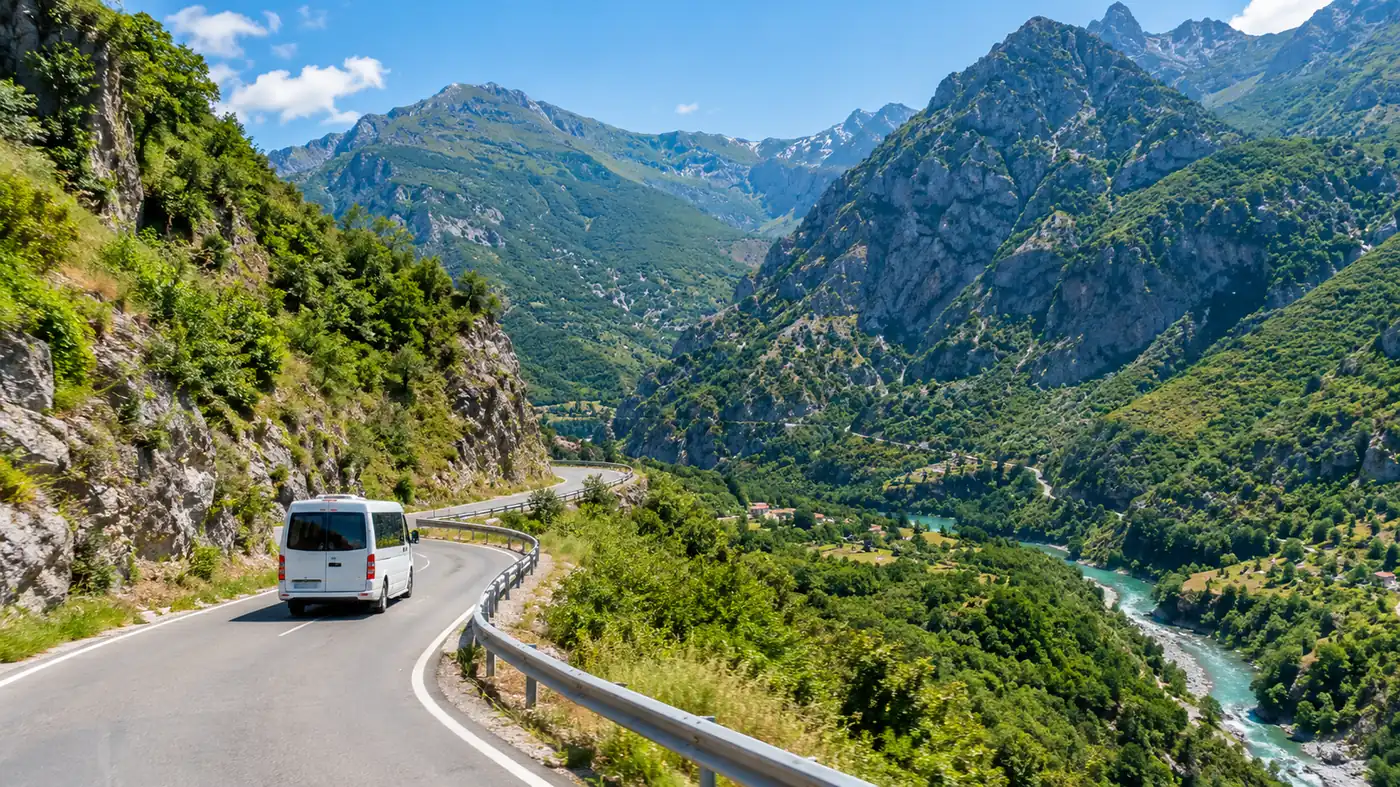
Day trips: buses and furgon minibuses go to every town; a tour with hotel pickup is far easier on a tight day.
Money: Albania uses the lek; carry some cash for markets, buses and day trips.
Cards: accepted in most hotels, supermarkets and modern restaurants in central Tirana.
At ATMs: use bank ATMs and choose to be charged in lek, not in your home currency.
Tours: book and pay online ahead, so you carry less cash on the day.
Tips: not a must, but around 10% for good service is appreciated, in cash.
1614FoundedSulejman Pasha Bargjini builds a mosque, a bakery and a hammam.
1920CapitalThe Congress of Lushnje makes Tirana the capital.
1988The PyramidOpened as a museum to the dictator Enver Hoxha.
2000ColourThe new mayor has grey facades painted in bright colours.
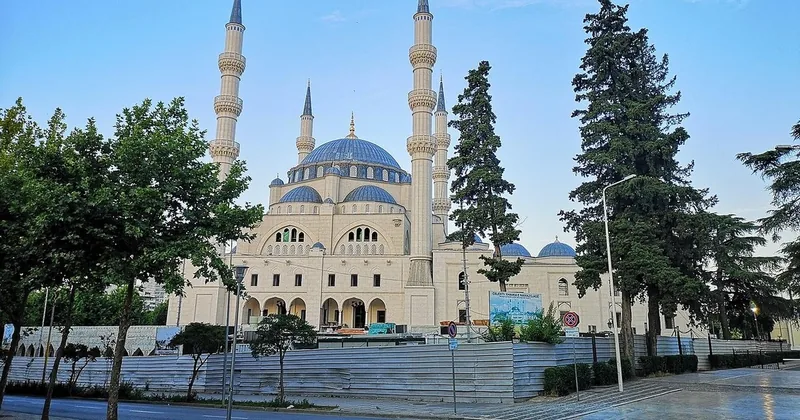
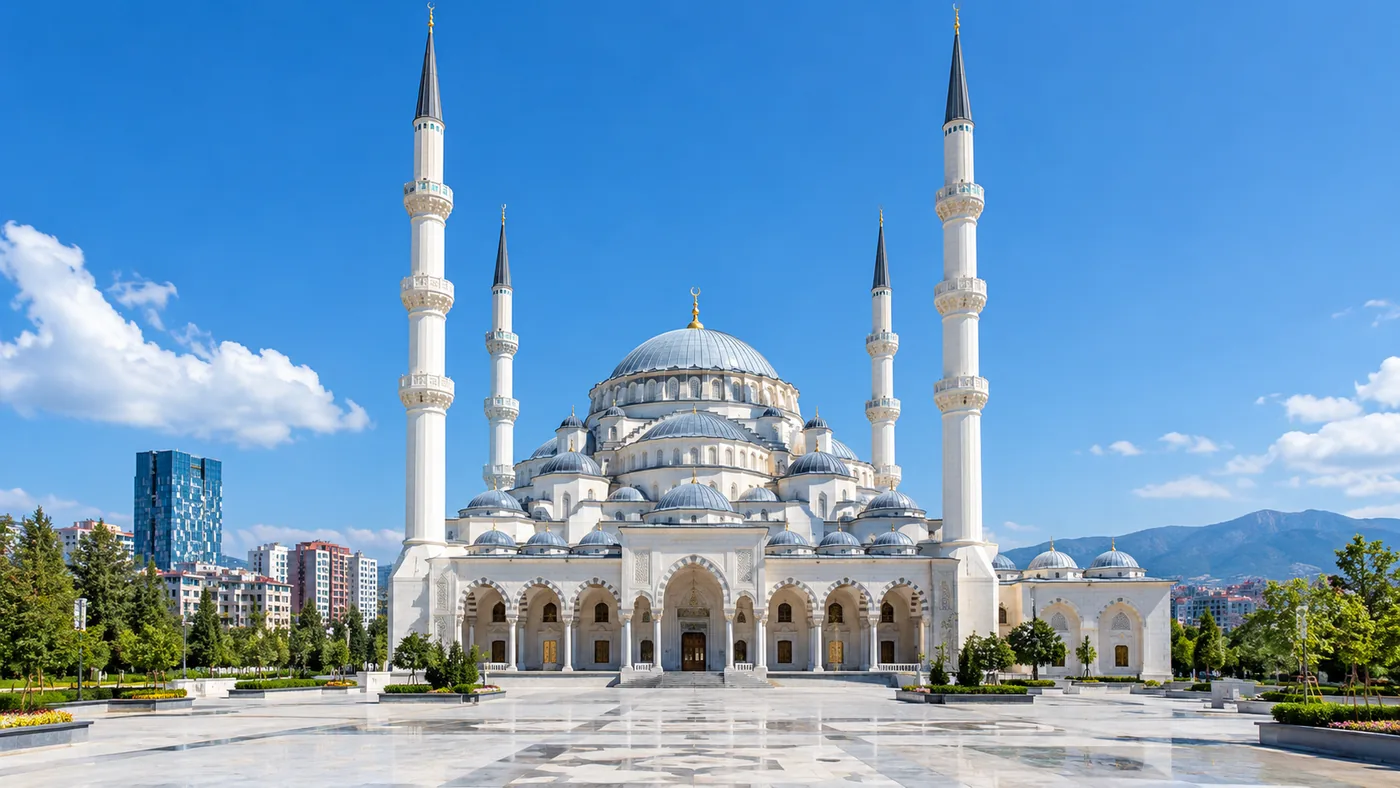
2024Great MosqueThe largest mosque in the Balkans opens by Parliament.
2028The museumThe National History Museum is due to reopen.
Where tours start
Skanderbeg Square, the centre
Skanderbeg Square and the centre
Sheshi Skënderbej, central Tirana
The city walks meet on or near Skanderbeg Square: the highlights walk at the Clock Tower beside the Et'hem Bey
Mosque, the three-language walk at the Skanderbeg statue, and the communist past walk at the Twin Towers opposite
the Pyramid, ten minutes south. Day trips pick you up at your hotel or a nearby main street, and the airport bus
stops just behind the Opera on the square.
4.8★★★★★ 1,436 reviews · Tirana highlights walk GetYourGuide figure
★★★★★
We had a great tour with Sabian. He is incredibly knowledgeable and gave great insight into the history of Albania, the political, social and cultural changes taking place in Tirana and did so with humour and passion.
★★★★★
Had a lovely walking tour with Elisabeta. She gave a lot of interesting information on history of Tirana and country and current life of Albanians. She was very knowledgeable, clear and kind. Highly recommend.
★★★★★
We had a great tour around the city with an excellent guide. He was informative, funny and great at sharing his knowledge and insight about Albanian history and life before, during and after communism.
★★★★★
Our guide was lovely. Very knowledgeable and went in depth into the history of Albania and the locations we visited. Berat is a beautiful place! Worth a day trip!
★★★★★
The whole day was perfect, we got picked up right in front of our hotel and dropped back. The hike was so worth the view at the top of the Bovilla lake. Trainers are a must!
★★★★★
Great first day in Tirana. We saw so many areas of Tirana that we never would have discovered otherwise. Markel was also incredibly knowledgeable so we had a good mix of food, history and culture. Go hungry.
★★★★★
Really nice walk around Tirana and we saw the main sites in just 2 hours. It gave us a really good starting point to explore more of the city. Sabian was very knowledgeable and entertaining as our guide.
★★★★★
We had the best time! Sindi was an amazing instructor and also really good at making everybody feel at home. It was so fun to learn to cook traditional Albanian dishes and to do it with people from all over the world.
★★★★★
Great experience for a first time Albania visitor. Very insightful introduction to the history of Tirana and also helps you get your bearings.
After the tour
Cook what you tasted
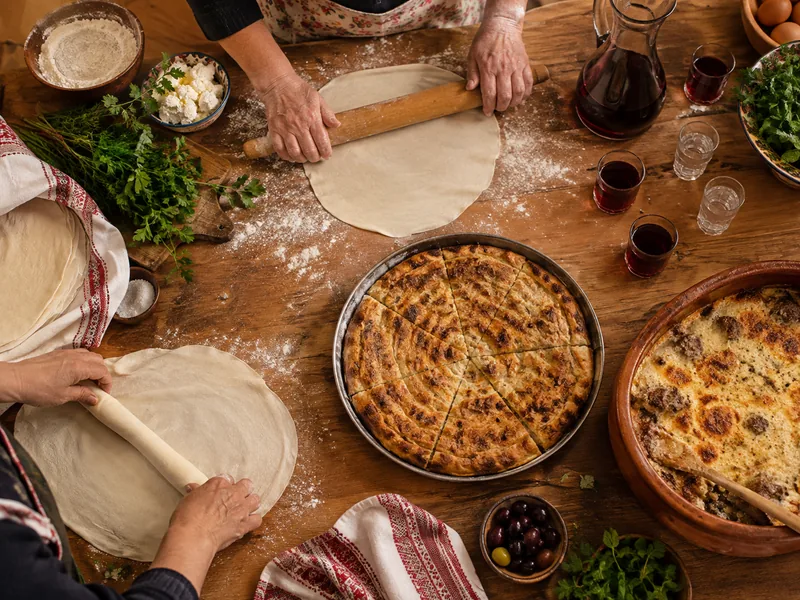
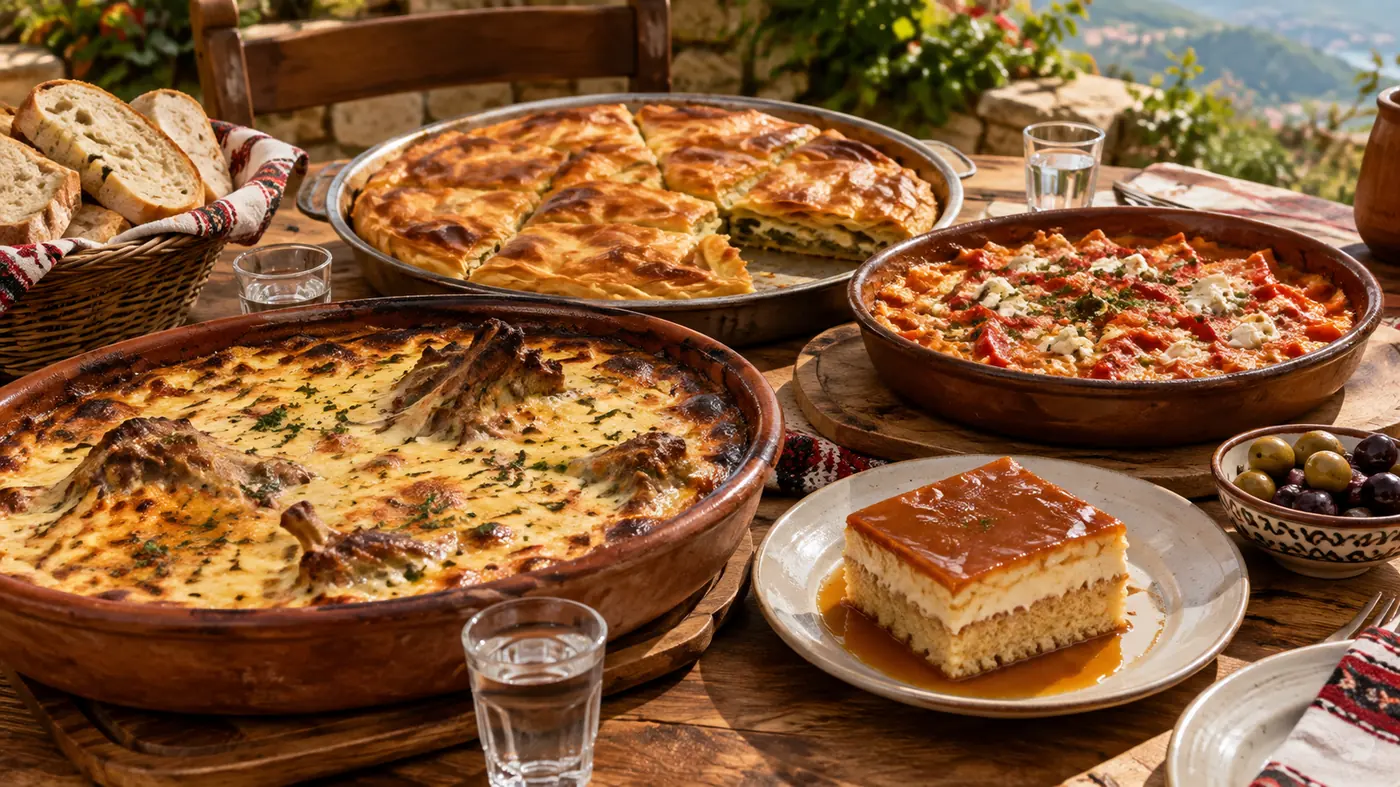
Albanian food is a quiet surprise: baked lamb with yogurt, hand-rolled pies, garden vegetables and
homemade raki. After a day of sights, a cooking class in a family kitchen shows you how it is made, and you sit down
to eat it together.
Albanian Cooking Class with Homemade Wine and Raki
★ 5.0 · 507 reviews · GetYourGuide
After the sights, cook the food. Your hosts show you how to make tavë kosi, the baked lamb and yogurt dish, and lakror, a hand-rolled pie, with herbs from their garden, then you sit down to eat with their own wine and raki. Full refund if you cancel up to 24 hours ahead.
Tirana is the capital of Albania, a city of around 600,000 people in a green valley in the middle of
the country, with Mount Dajti on its eastern edge and the Adriatic coast less than an hour away. It is young for a
capital, loud, full of cafés, and painted in colours you will not see anywhere else in Europe.
A bazaar town that became a capital
In 1614 the Ottoman nobleman Sulejman Pasha Bargjini built a mosque, a bakery and a hammam here, and a market town
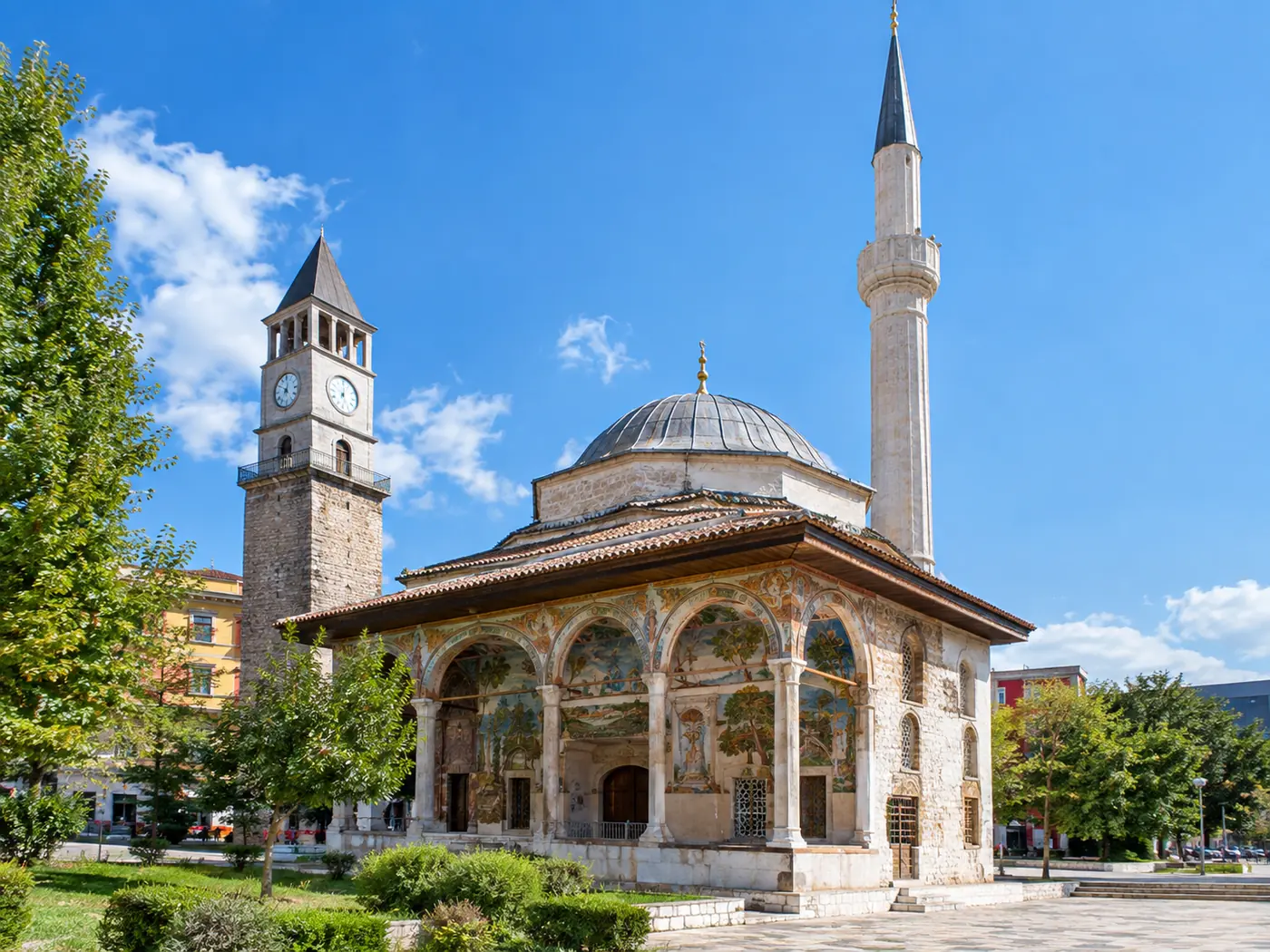
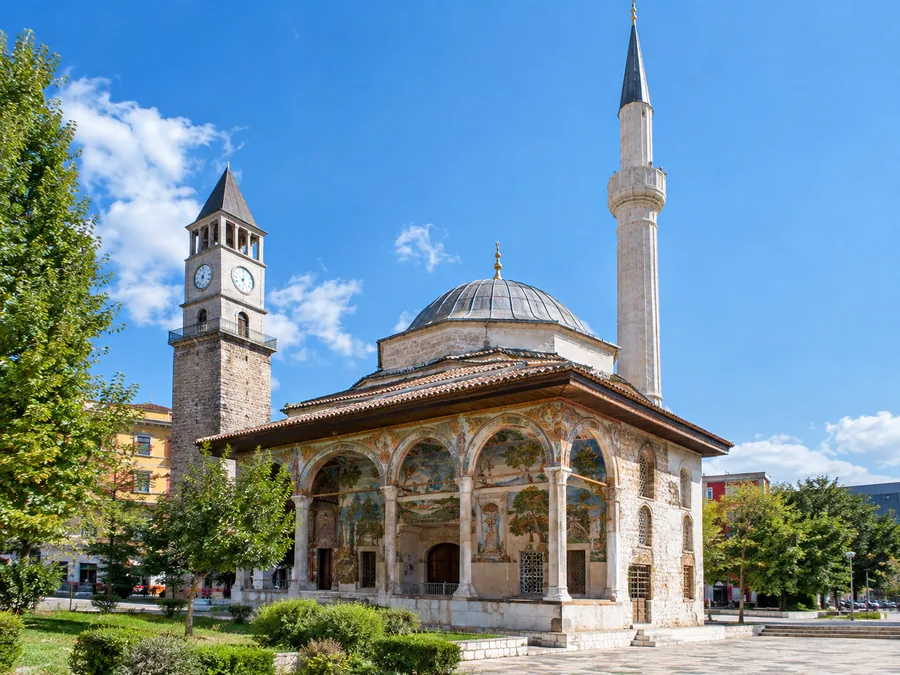
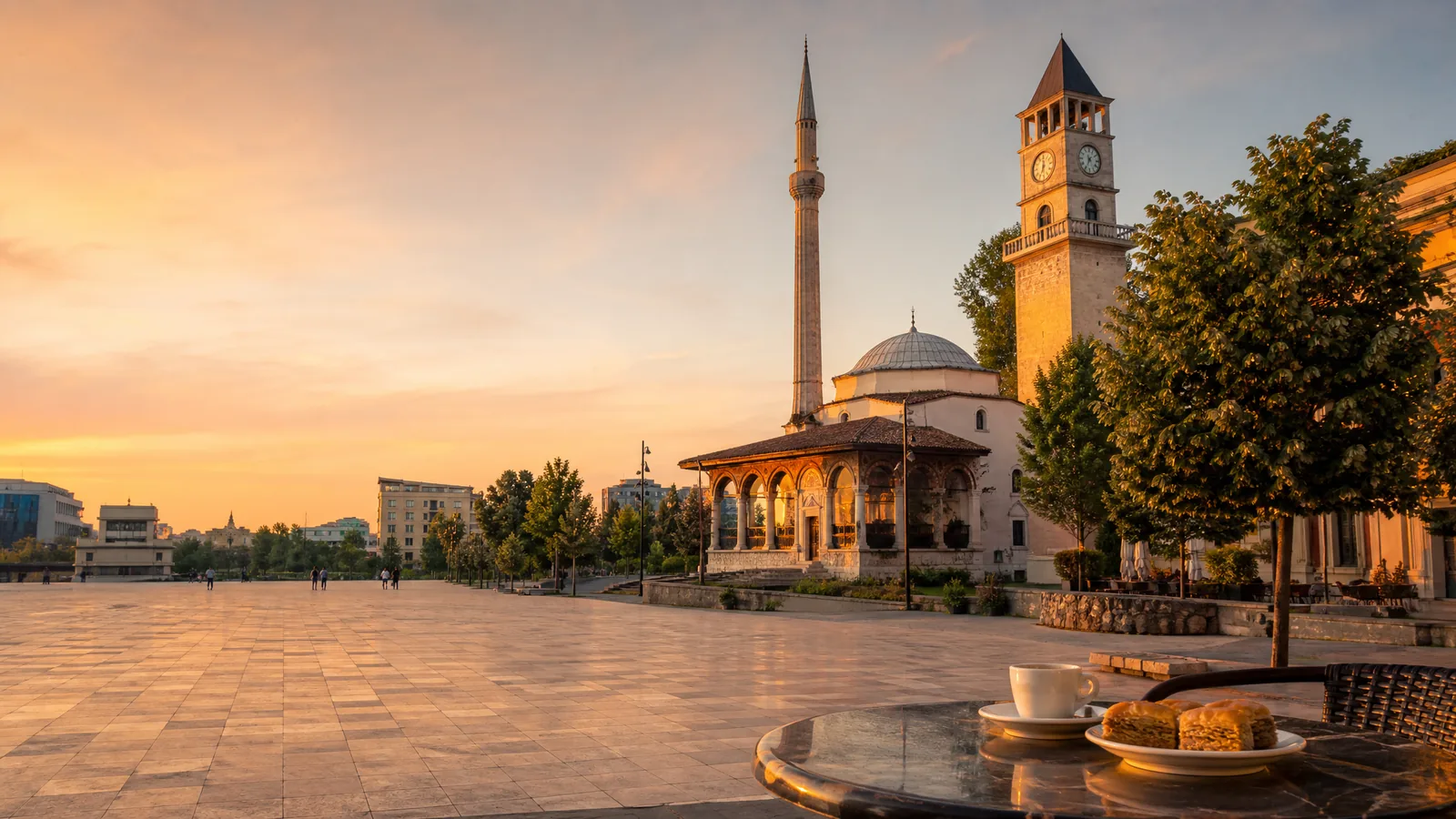
grew around them. The Et'hem Bey Mosque, finished in the early 19th century, and the Clock Tower beside it are the
oldest landmarks still standing in the centre. In 1920 the Congress of Lushnje chose Tirana as the capital of the
young Albanian state, and Italian architects later laid out the wide boulevard and the ministries around Skanderbeg
Square.
The Et'hem Bey Mosque and the Clock Tower, the oldest corner of the square.
Forty years behind the bunkers
From 1944 to 1985 Enver Hoxha ruled Albania as one of the most closed countries in the world. His regime built more
than 170,000 bunkers against an invasion that never came, and kept the elite in Blloku, a quarter ordinary people
could not enter. Today you can walk through two of his bunkers at Bunk'Art 1 and Bunk'Art 2, see the old secret
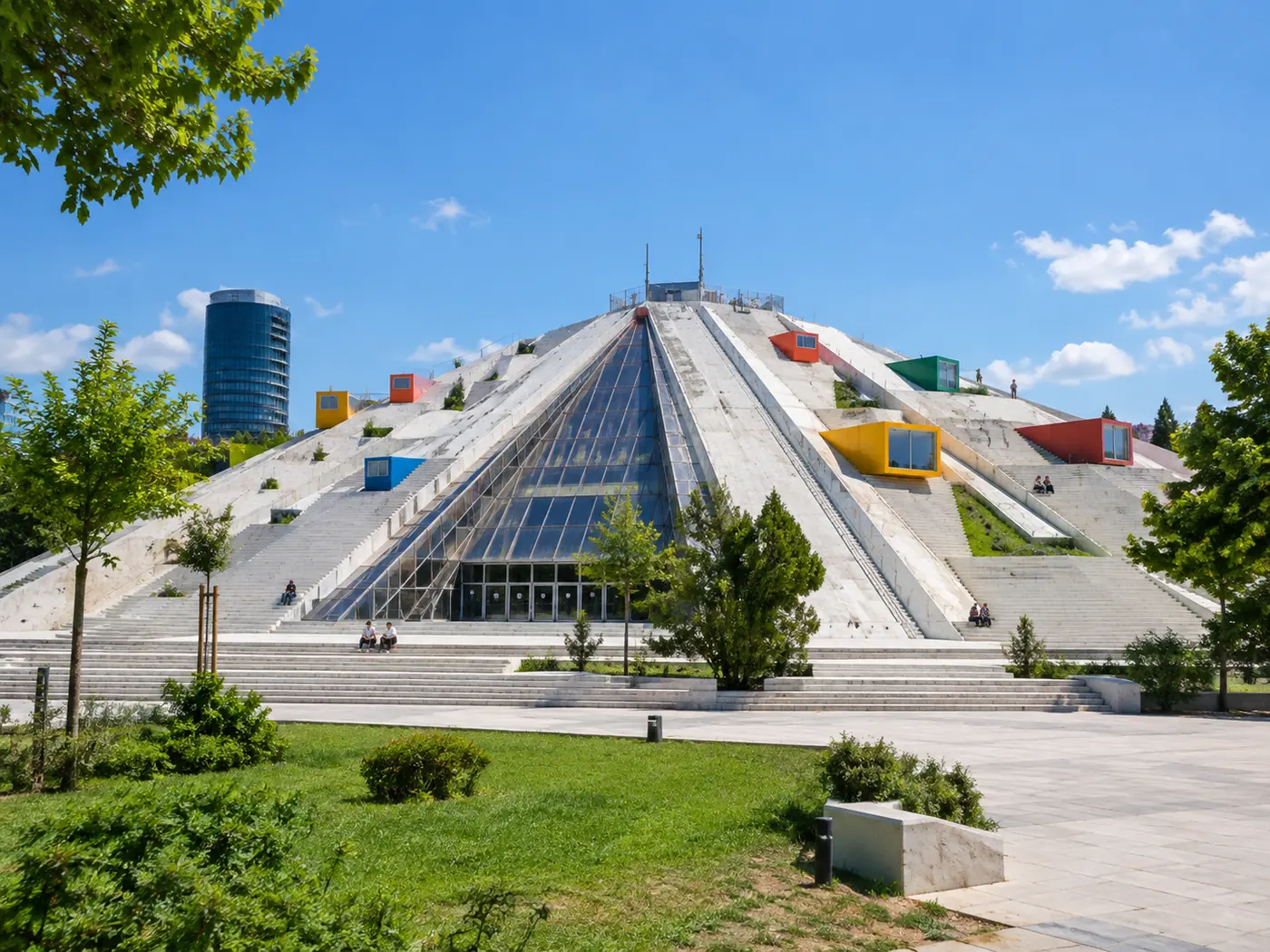
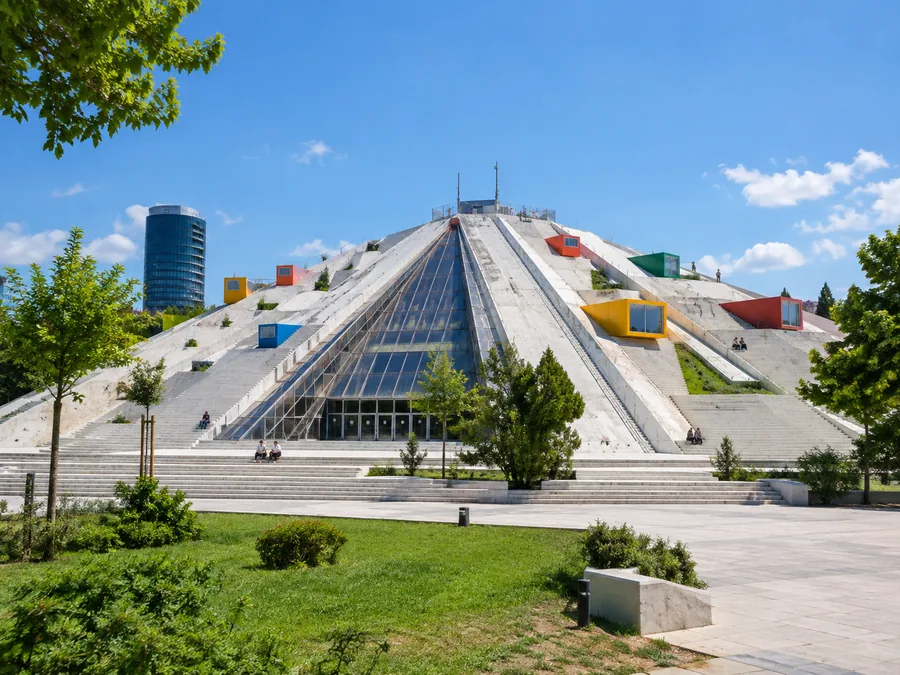
police files at the House of Leaves, and climb the Pyramid, built as his museum in 1988 and now a youth tech centre.
The honest small print: the city walks show most sights from outside, and the National
History Museum on the square is closed until 2028, whatever older guides say. The most reviewed "Tirana tours" are
really day trips: Berat, Bovilla, Kruja and Komani. And a Dajti tour may not include the cable car ticket, so check
the listing. A short guided walk is still the best first morning in the city.
The city that chose colour
After 1991 Tirana grew fast and without much of a plan. From 2000 its mayor, an artist, had grey apartment blocks
painted in bold stripes and patterns, cleared illegal buildings from the riverbanks and opened up the parks. The
habit stuck: new towers, the rebuilt Pyramid and the vast stone square, redesigned in 2017, all belong to the same
idea of a capital that faces forward.
The Pyramid, from dictator's museum to youth tech centre.
Mountains, castles and the coast
Tirana is also the best base in Albania for day trips. The Dajti Ekspres cable car climbs the mountain behind the
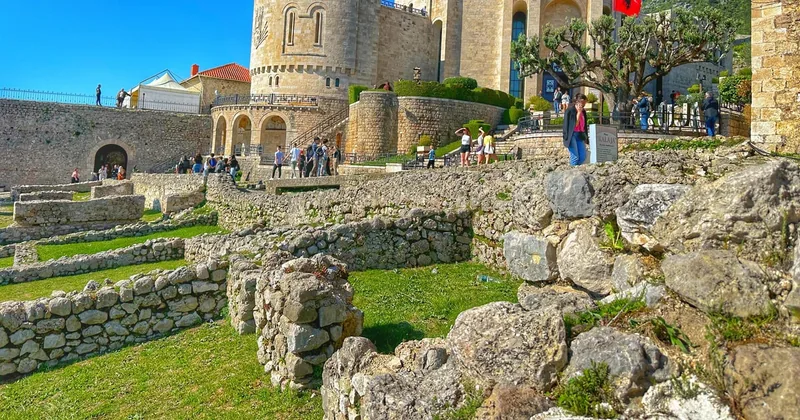
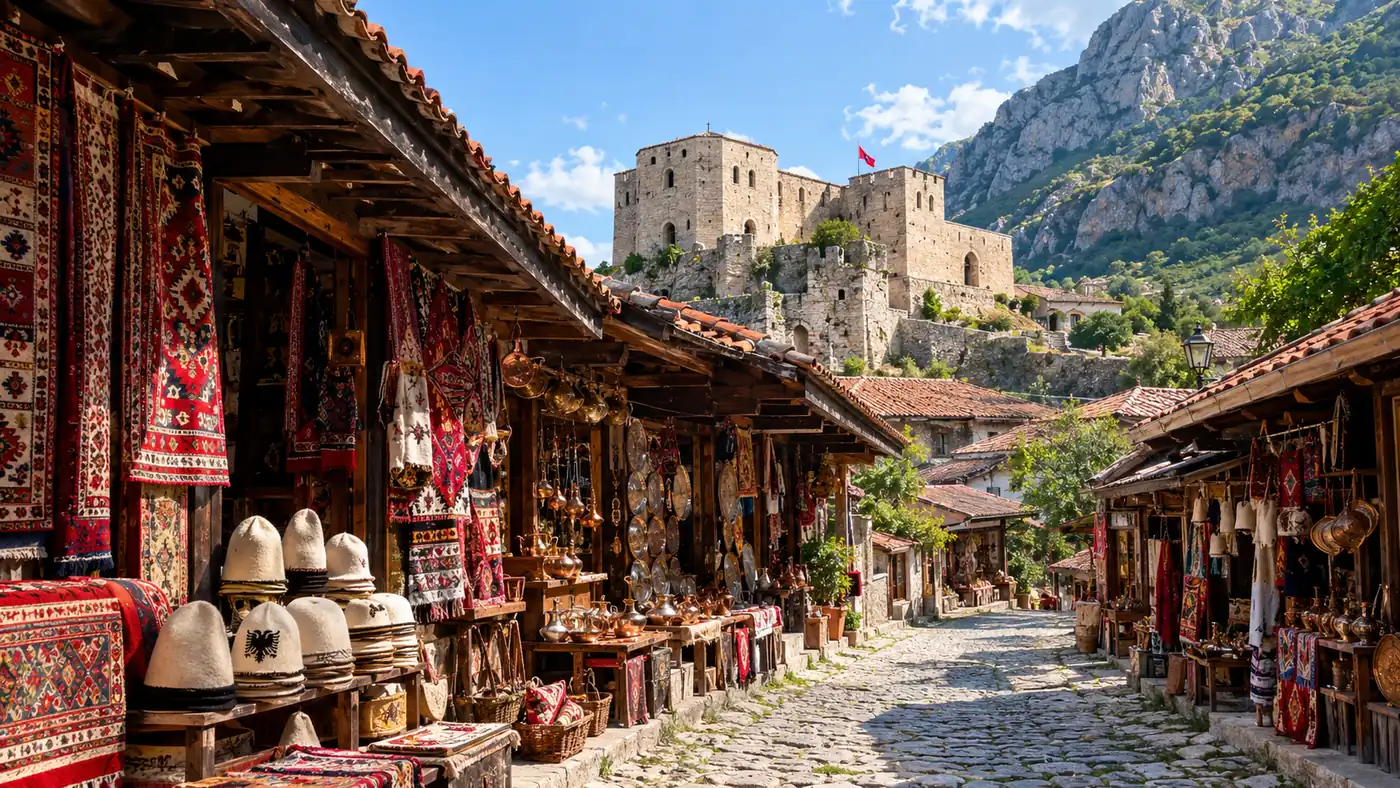
city in about 15 minutes. Kruja, the castle town of the national hero Skanderbeg, is about an hour away; Lake Bovilla
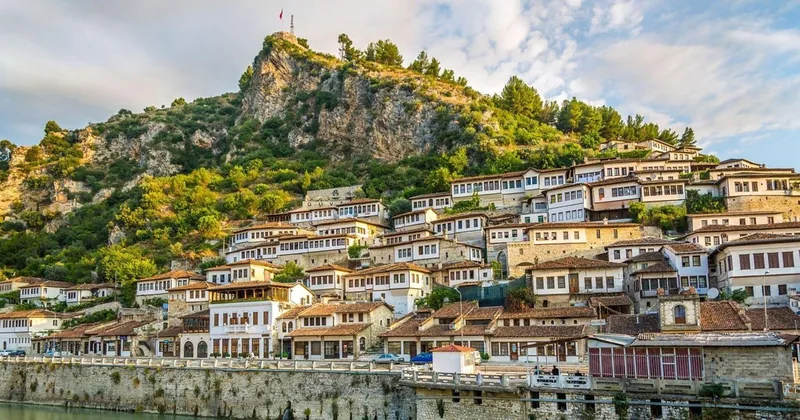
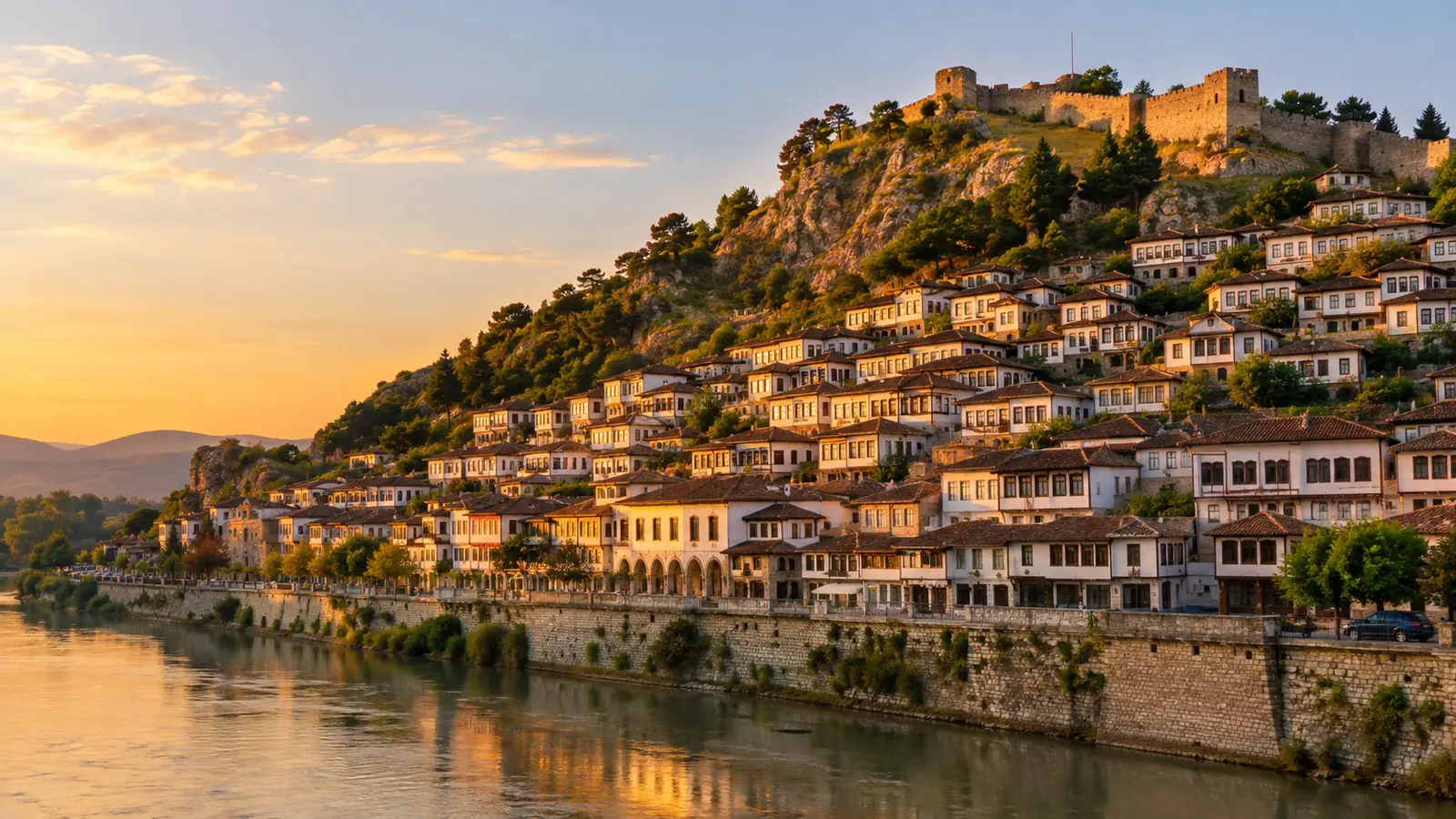
and its viewpoint about the same. Berat, on the UNESCO list for its Ottoman houses, is two hours south, and the long
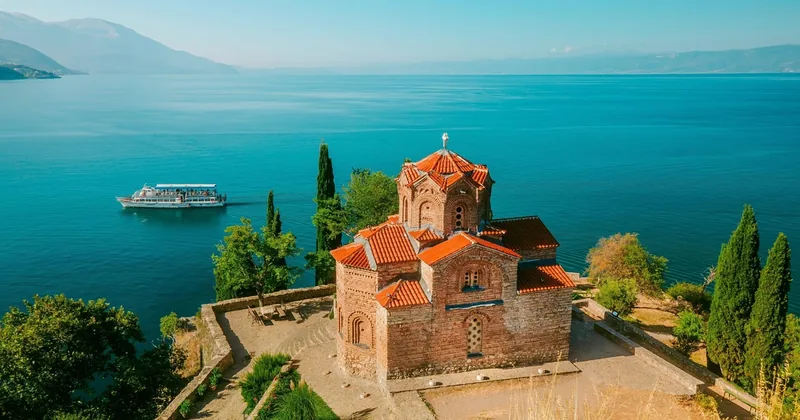
days go to the Komani Lake boat, the Albanian Alps at Theth, or Lake Ohrid across the border.
What to know in one line
Give the city one full day with a guided walk, Bunk'Art and the cable car (not on a Tuesday), then spend your
other days on Berat, Kruja or Bovilla; Tirana is safe, easy and at its best in late spring and early autumn.
Straight answers to what visitors ask most about Tirana and its tours.
How many days do you need to see Tirana?
One full day covers the centre: a two-hour walk, Bunk'Art 2, Blloku and the cable car up Mount Dajti. Two to three days let you add a day trip to Kruja, Berat or Lake Bovilla. Day by day in how many days in Tirana.
What tours can you do from Tirana?
City walks (highlights, the communist past, food), Mount Dajti, and day trips to Berat, Kruja, Lake Bovilla, Durres, Komani Lake and Ohrid in North Macedonia. The day trips are the most booked "Tirana tours" of all. All of them in day trips from Tirana compared.
What is there to see in Tirana?
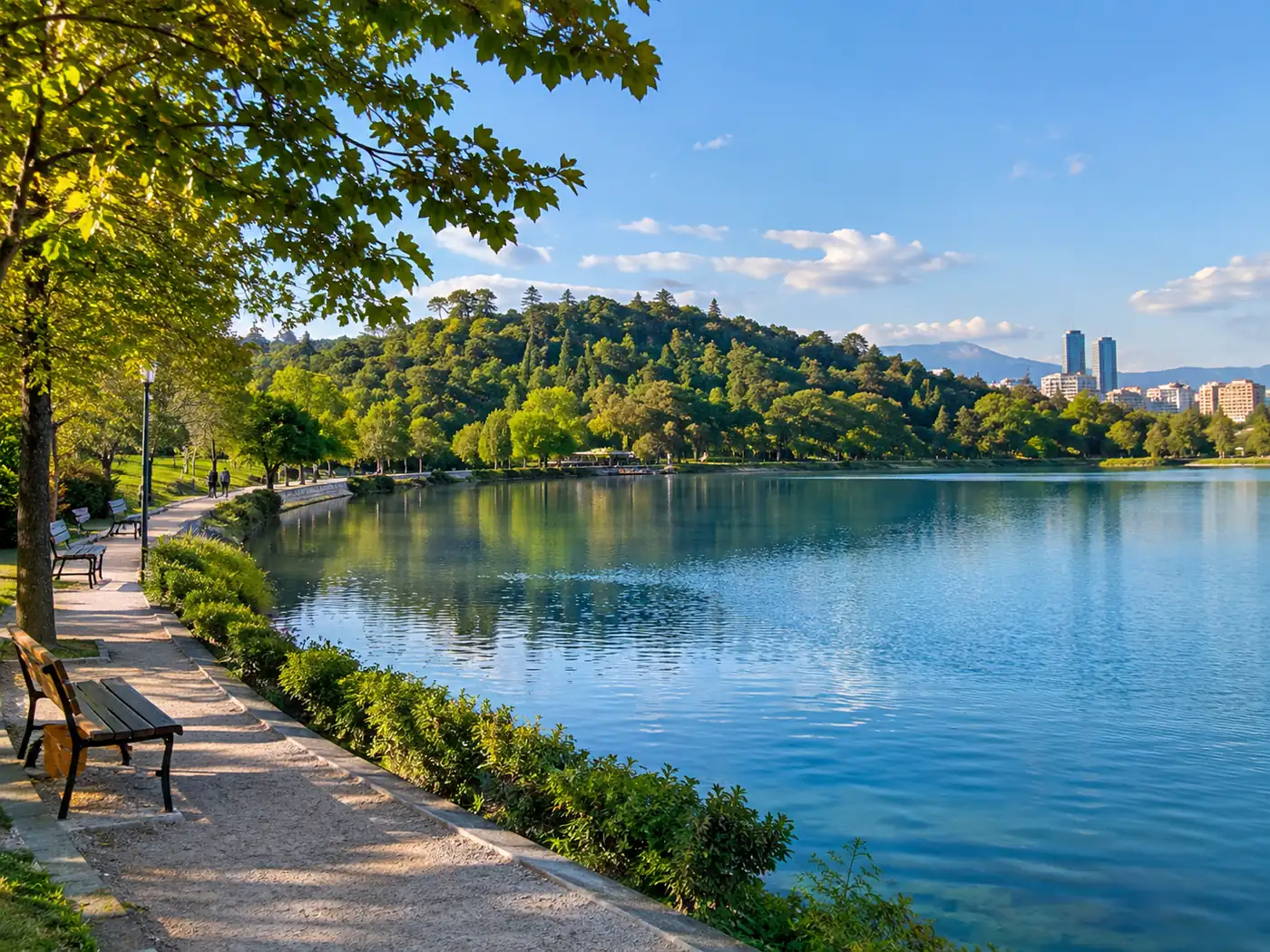
Skanderbeg Square, the Et'hem Bey Mosque and the Clock Tower, Bunk'Art 2 and the House of Leaves, the Pyramid, Blloku, the New Bazaar, the castle lane, the Grand Park lake and the new Great Mosque. The National History Museum is closed until 2028. The full list in what to see in Tirana.
Where is Tirana, Albania?
In central Albania, in a green valley under Mount Dajti, about 35 to 45 minutes by road from the Adriatic coast at Durres. The airport at Rinas is about 17 km northwest of the centre: 20 to 30 minutes by taxi. More in getting around Albania.
Is it safe to travel to Albania?
Yes. Tirana is a safe, welcoming capital where visitors walk around day and night. The main thing to watch is traffic: cross with care, and if you drive, take mountain roads slowly and in daylight, or let a tour do the driving. Practical tips in before you travel to Albania.
When is the best time to visit Tirana?
May to June and September to October, when days are warm and walkable. July and August are hot, often above 30 degrees, so plan sightseeing for mornings and evenings. Komani Lake boats run only from about mid-April to early November.
What is the most beautiful town in Albania?
Berat and Gjirokaster, both on the UNESCO list for their Ottoman houses, top most lists, with Kruja for its castle and bazaar. Berat is about 2 hours from Tirana and makes an easy day trip; Gjirokaster is a very long day.
Can you take a walking tour of Tirana in your own language?
Yes. One of the most reviewed walks runs in English, French and Italian, and tip-based group walks leave Skanderbeg Square every morning in English. For other languages, ask for a private guide or pick a day trip with a digital booklet in your language.
What language do they speak in Albania?
Albanian (shqip). English is common among younger people and in hotels, cafés and tours, and many Albanians also understand Italian. A "faleminderit" (thank you) always goes down well.
What is a typical Albanian sweet?
Trileçe, a milk-soaked sponge cake with caramel, is the favourite in Tirana's pastry shops. Bakllava, kadaif and ballokume, a butter cookie from Elbasan, are the classics. More in Albanian food and sweets.
How do you get around Albania?
Within Tirana on foot and by app taxi. Between towns by bus or furgon minibus, by rental car, or on a day tour with hotel pickup, which is the easiest way to reach Berat, Kruja or Komani in one day. Every option in getting around Albania.
Is Tirana worth visiting?
Yes, for a day or two: it is lively, easy to walk, full of cafés, and its communist history is told better here than anywhere else in Albania. It is also the best base for day trips to Berat, Kruja and the mountains.
Ready to go
One city, a whole country.
Or explore on your own with this guide: instant mobile tickets on GetYourGuide, with the refund terms on every tour.
 In 3 languages
★ 4.92.5 hours1,128 reviews
In 3 languages
★ 4.92.5 hours1,128 reviews