Booking choice: The Tirana highlights walk, ★ 4.8 (1,436). Check dates Compare the options below
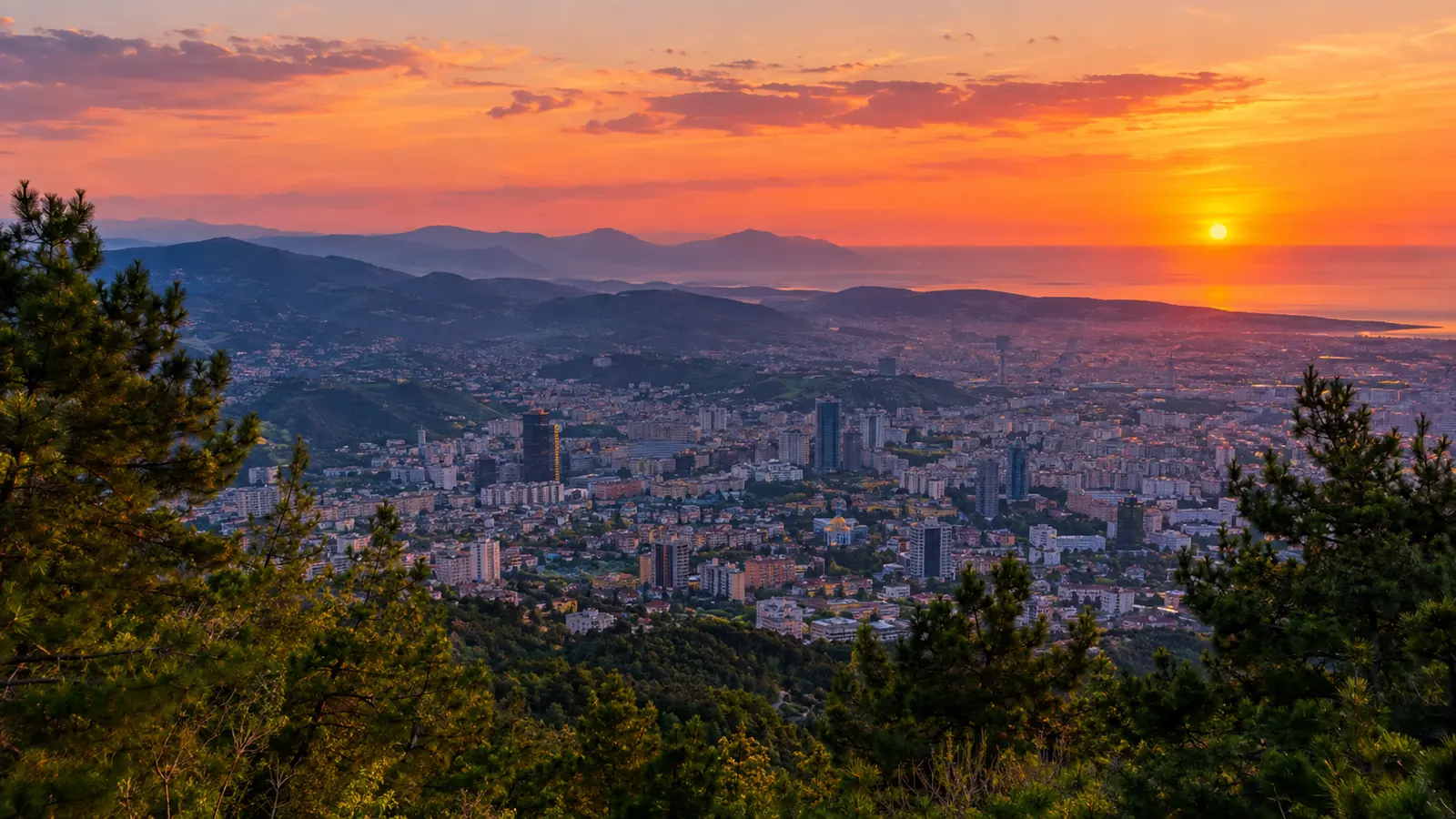
Albania surprises most first-time visitors. The capital is lively, green and colourful, the coast is under an hour away, and the mountains start at the edge of the city. People are warm and helpful, and many will go out of their way to show you the right street or the best bakery for byrek.
This guide covers what to know before you go: safety, why Albania is famous, language, walking tours in your language, what to wear in mosques, money and tipping, passports for day trips and staying online. What to see is in what to see in Tirana, and how long to stay is in how many days in Tirana.
The quick answer
Safety: Tirana is safe and welcoming; cross roads with care. Language: Albanian; English is common among younger people, and many Albanians understand Italian. Money: the lek; cards in most of central Tirana, cash for markets, buses, furgons and day trips; choose lek at ATMs. Tipping: not required; around 10% for good service is appreciated. Mosques: shoulders and knees covered, shoes off, women cover their hair. Walking tours: tip-based walks leave daily from Skanderbeg Square, and booked walks run in English, French or Italian. Passports: needed for day trips to Ohrid in North Macedonia and to Kosovo. Best months: May to June and September to October.
What should I know before travelling to Albania?
Albania is safe, welcoming and easy to visit. Carry some lek in cash, dress modestly in mosques, take your passport for trips across a border, and plan sightseeing for mornings and evenings in midsummer.
The table sums up the practical points. None of them are difficult; they simply make your first days smoother.
| Topic | What to know |
|---|---|
| Safety | Safe and welcoming; cross roads with care and drive mountain roads in daylight |
| Language | Albanian; English common among younger people; Italian widely understood |
| Money | The lek; cards in central Tirana, cash for markets, buses and day trips |
| ATMs and card machines | Choose to be charged in lek, not in your home currency |
| Tipping | Not required; around 10% for good service is appreciated |
| Mosques | Shoulders and knees covered, shoes off, women cover their hair |
| Passports | Needed for day trips to Ohrid and Kosovo |
| Phone and data | Ask your provider about roaming, or buy a local SIM or eSIM |
| Plugs | European two-pin plugs |
| Best months | May to June and September to October; July and August are hot |
Start with two easy hours on foot from the Clock Tower: the square, the House of Leaves, the Pyramid and food tips from your guide.
Check dates for the Tirana highlights walkIs it safe to travel to Albania now?
Yes. Albania is a safe, welcoming country, and in Tirana people walk around day and night. The practical points are traffic, mountain roads and choosing a metered or app-booked taxi.
The US travel advisory for Albania is Level 2, the same level as France and Italy. The UK government's travel advice for Albania focuses mainly on the roads. In the city, cross with care: wait for a clear gap, and use crossings with lights where you can.
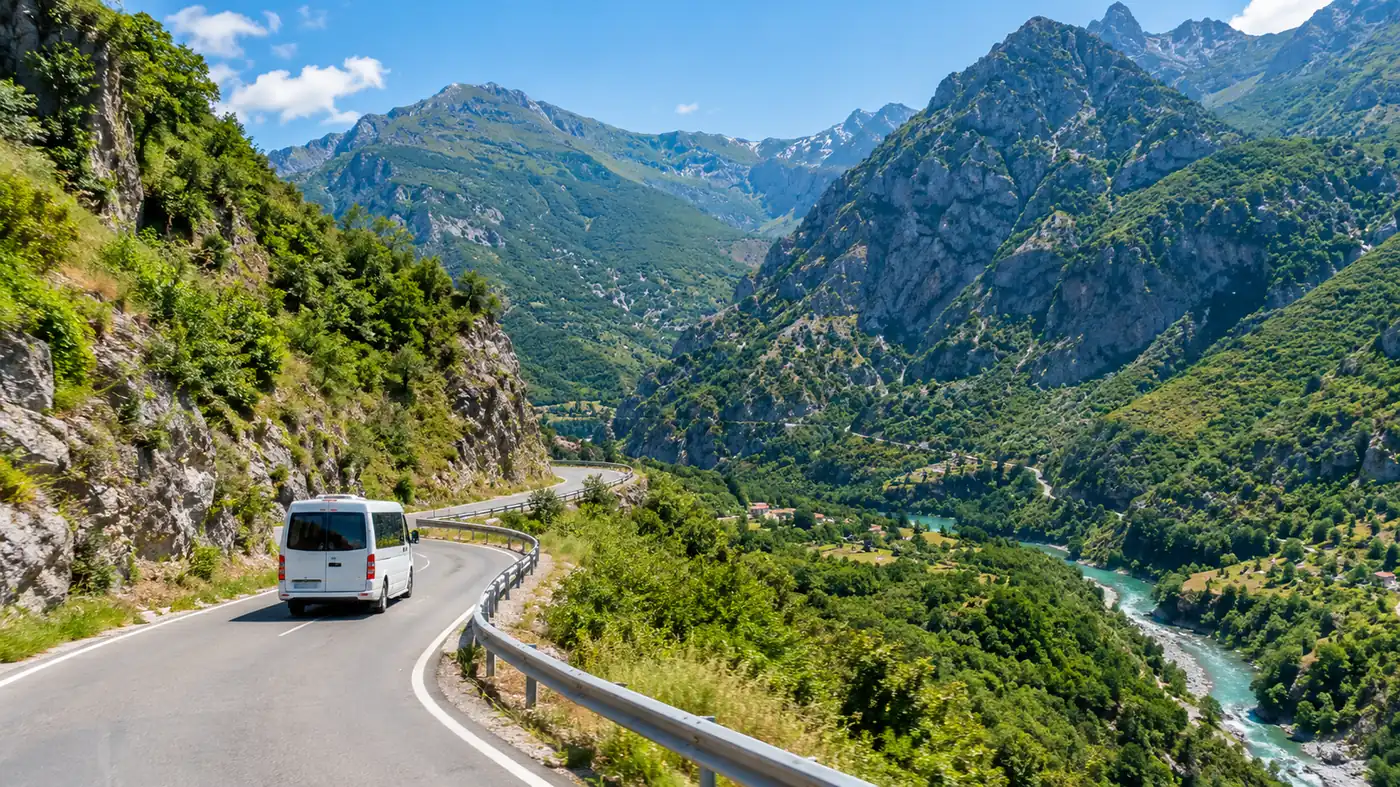
If you plan to drive, take mountain roads slowly and in daylight, or let a day tour do the driving. For taxis, use a metered taxi or book through an app, and agree the route before you set off. Each way of moving around is explained in getting around Tirana and Albania.
Is it a good idea to visit Tirana?
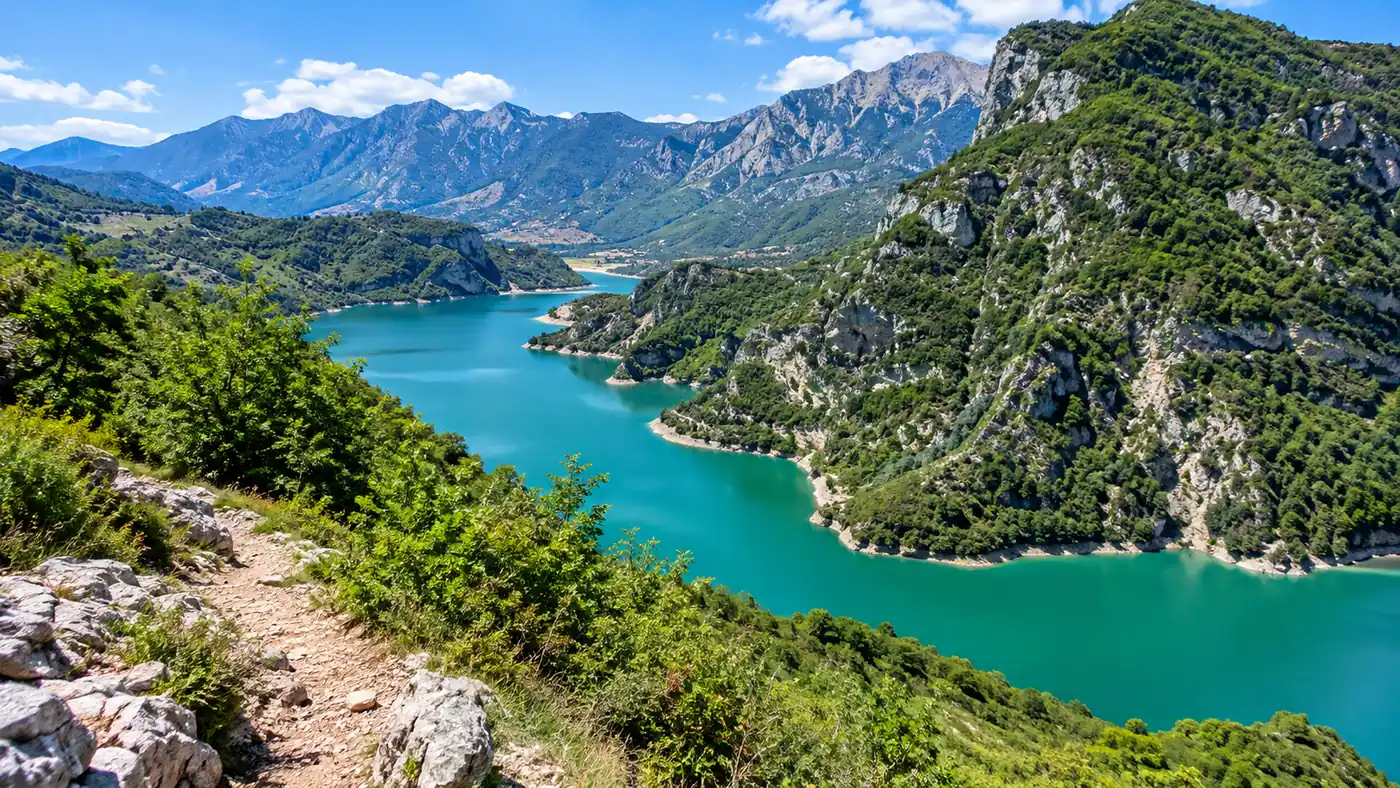
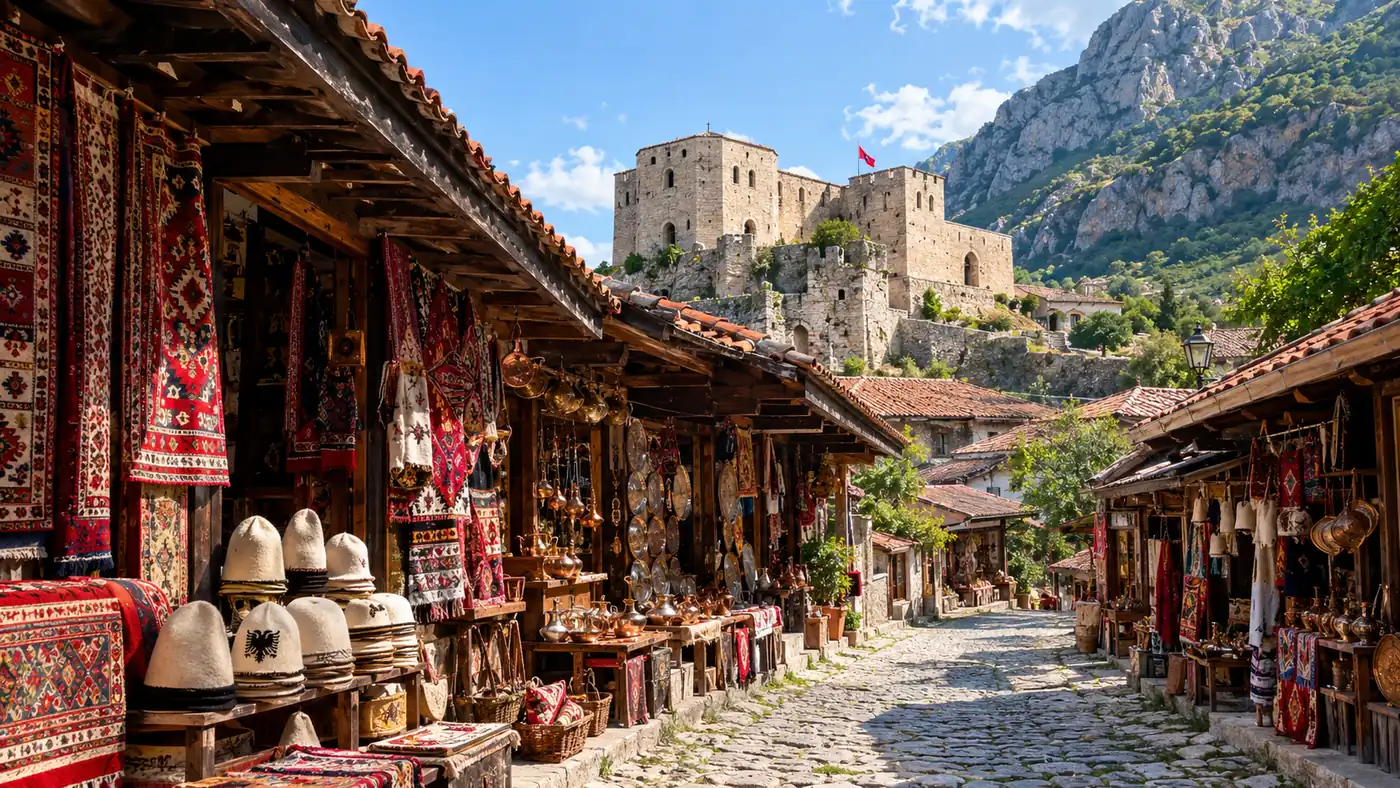
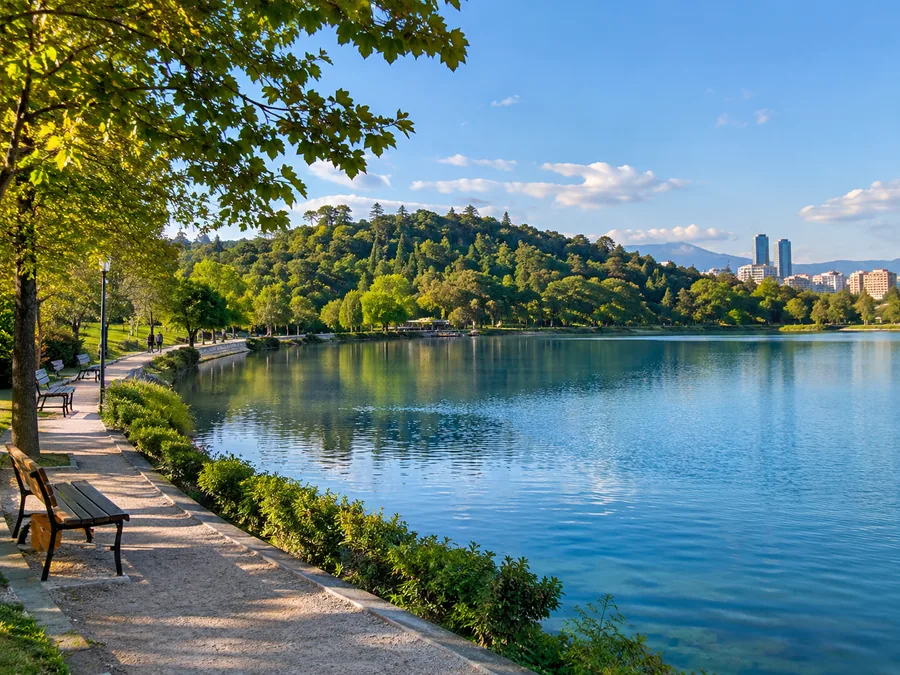
Yes. Tirana is compact, lively and easy to explore on foot, and it is the best base for day trips to Berat, Kruja, Lake Bovilla and Komani Lake.
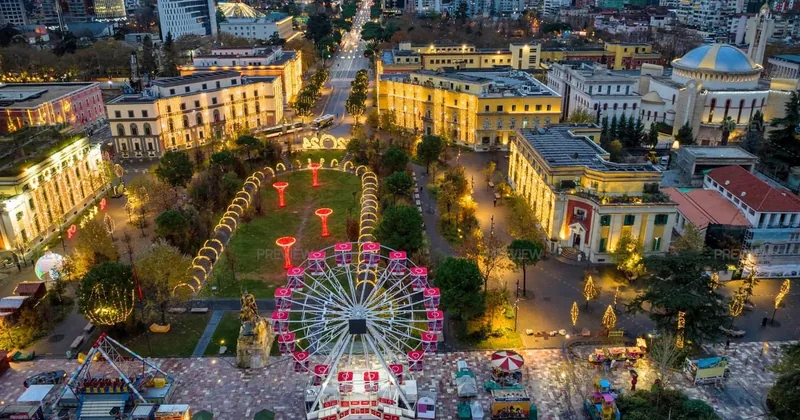
Most central sights are within a short walk of Skanderbeg Square: the Et'hem Bey Mosque and the Clock Tower, Bunk'Art 2, the House of Leaves, the Pyramid, Postbllok, Blloku, the New Bazaar and the castle lane. The squares, the Pyramid steps and Postbllok need no ticket. The National History Museum on the square is closed for a full rebuild until 2028, but its big mosaic is still on view from outside.
One day covers the city well, and the rest of your stay suits day trips. The trips side by side are in day trips from Tirana compared.
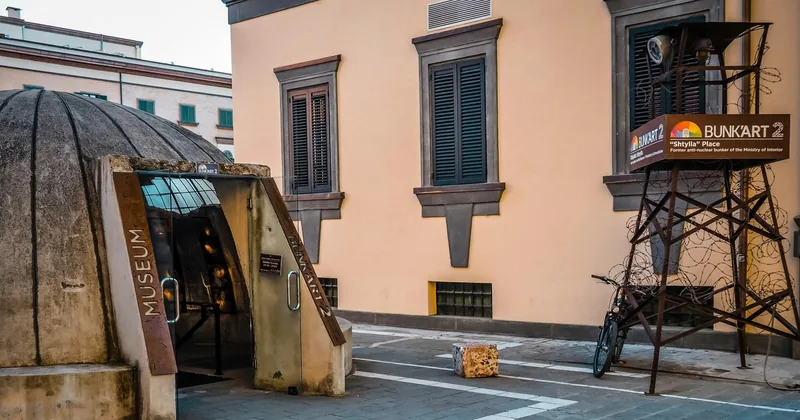
See the communist years on foot in two hours: Postbllok with its piece of the Berlin Wall, the villas of Blloku, the Pyramid and the bunkers. Rated 4.9 from 192 reviews.
Explore the communist past walkWhy is Albania famous?
For its mountains and coast, the UNESCO towns of Berat and Gjirokaster, the national hero Skanderbeg, more than 170,000 bunkers from the communist years, and its warm hospitality.
Skanderbeg led the Albanian resistance against the Ottomans in the 15th century from his castle at Kruja, and his statue stands on the main square in Tirana. Gjirokaster became a UNESCO World Heritage site in 2005, and Berat joined it in 2008; the Lake Ohrid region is on the list too, as UNESCO's Albania page shows. Mother Teresa, of Albanian heritage, gave her name to Tirana's airport.
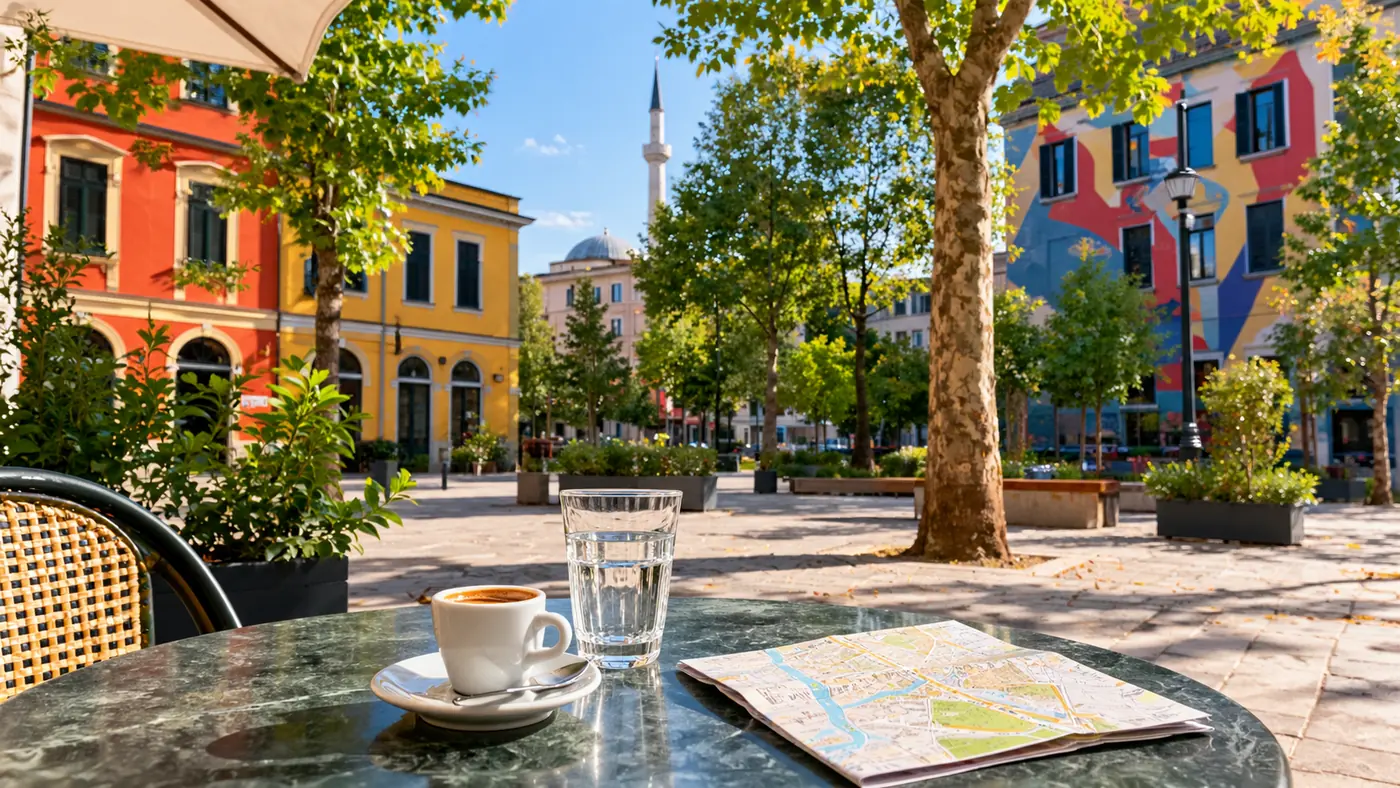
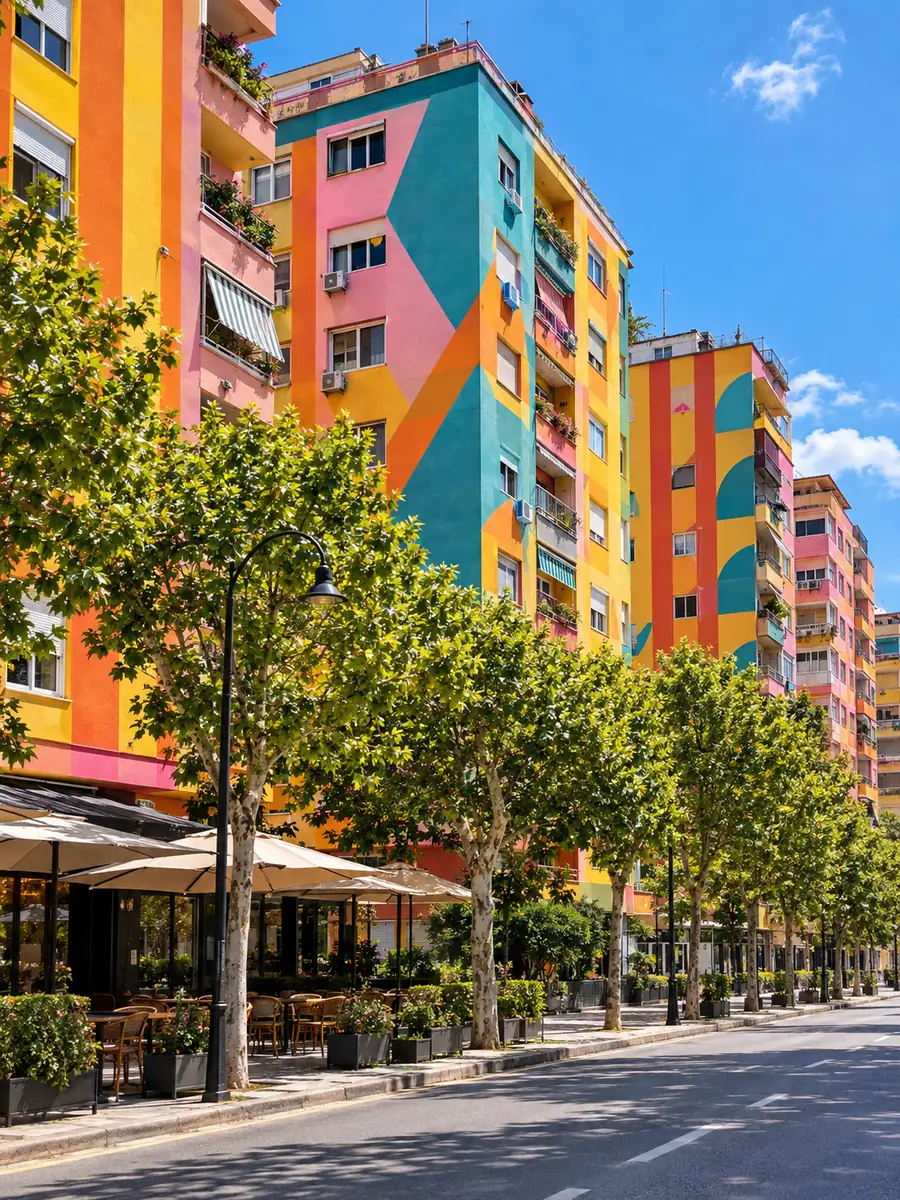
The communist years left more than 170,000 bunkers across the country, and two former state bunkers in Tirana are now the Bunk'Art museums. Today the capital is known for its brightly painted facades, a project started by Edi Rama, an artist who was mayor from 2000 to 2011.
Which languages are spoken in Albania, and can you tour in yours?
Albanian (shqip) is the national language. English is common among younger people and in hotels and cafés, many Albanians understand Italian, and city walks run in English, French or Italian.
A few words of Albanian are always welcome: përshëndetje (hello), faleminderit (thank you) and mirupafshim (goodbye). Menus in central Tirana often come in English, and a translation app helps away from the cities.
Tip-based walking tours leave every day from Skanderbeg Square, in front of the Opera, last about 2 hours and run in English; you tip the guide what you think the walk was worth. For a fixed booking and a set time, the walking tour in English, French or Italian (4.9 from 1,128 reviews) runs mornings and early evenings for about 2.5 hours with a licensed guide. Every booked tour here gives a full refund if you cancel up to 24 hours ahead.
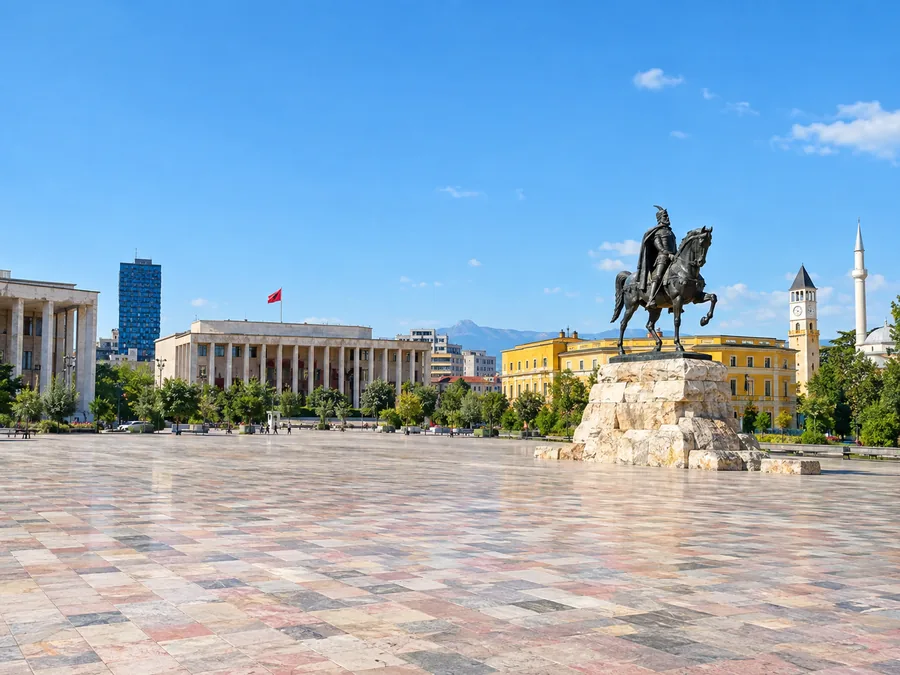
Choose your language and your time of day: a licensed guide in English, French or Italian, morning or early evening, about 2.5 hours.
Check dates for the walking tour in English, French or ItalianHow should you dress to visit a mosque in Tirana?
Cover your shoulders and knees, take your shoes off at the door, and, for women, cover your hair. Visit outside prayer times.
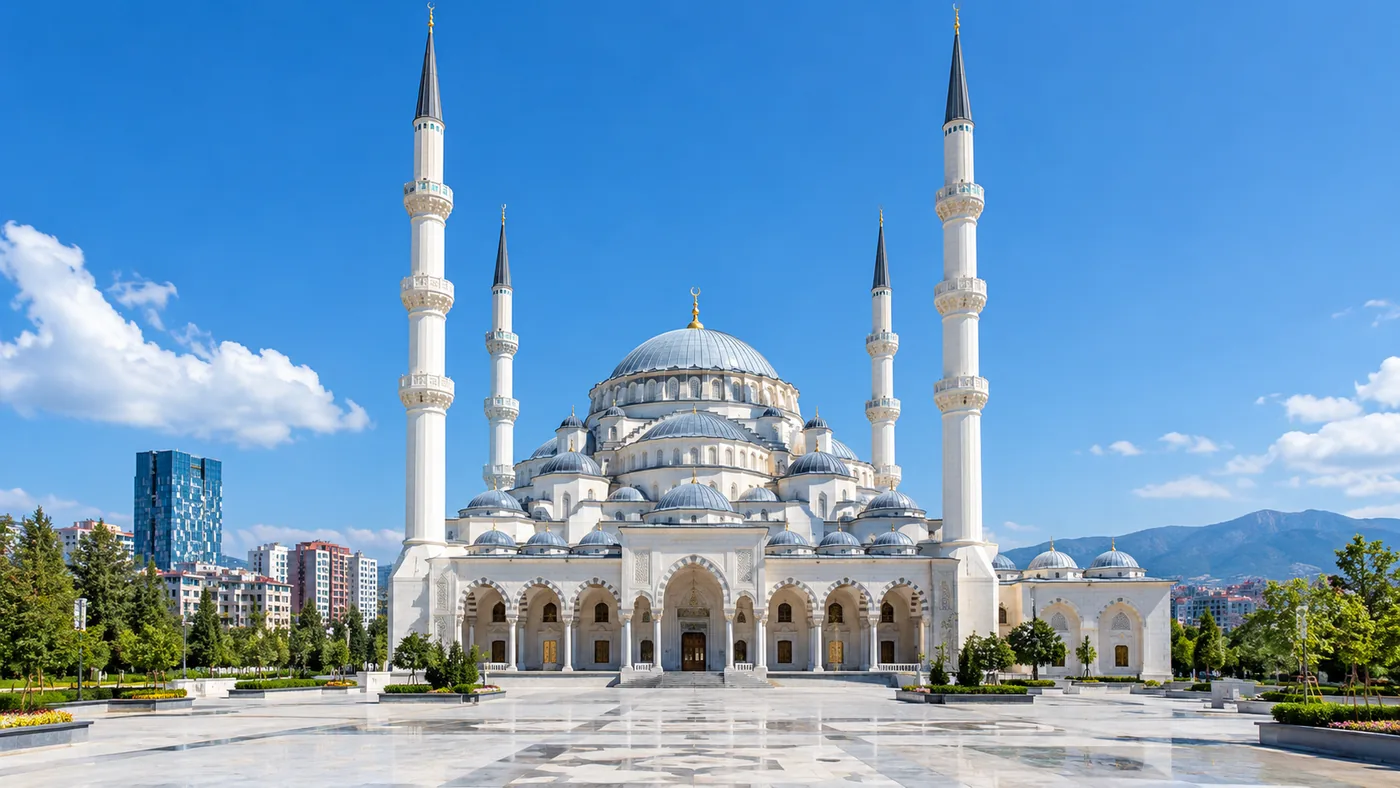
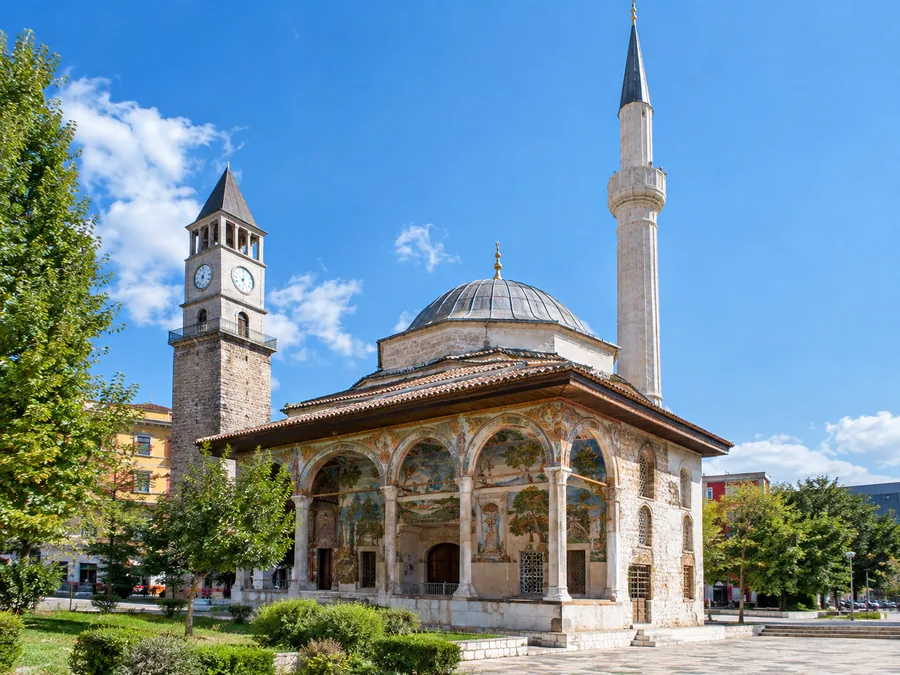
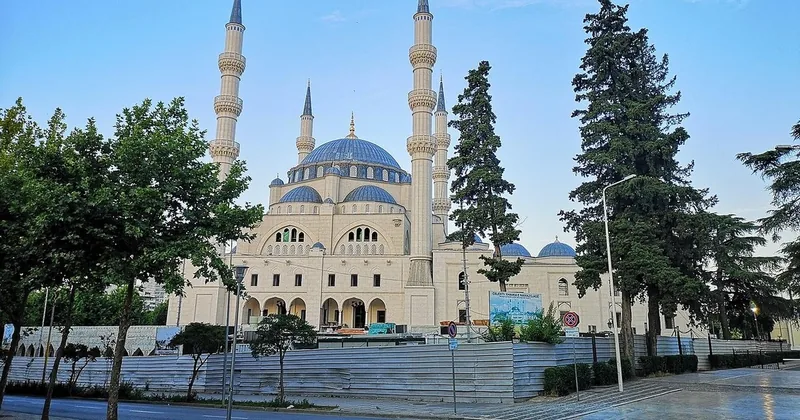
The Et'hem Bey Mosque on Skanderbeg Square, completed in 1821, is small and richly painted inside. The Great Mosque of Tirana, opened on 10 October 2024, is the largest in the Balkans. Both are active places of worship, so keep your voice low and ask before you photograph people. Scarves are often available at the door, but a light scarf in your bag makes it easy.
Muslim, Orthodox and Catholic communities live side by side in Albania, and in Tirana mosques and cathedrals stand a few minutes apart. Churches ask for similar modest dress.
How do you pay in Albania, and how much should you tip?
Pay in lek. Cards work in most of central Tirana, but carry cash for markets, small shops, buses, furgons and day trips. Tipping is not required; around 10% for good service is appreciated.
- ATMs: easy to find in the centre. When the machine offers to convert the amount into your home currency, decline and choose lek.
- Card machines: choose lek there too.
- Cash: markets, bakeries, buses, furgon minibuses and many places outside Tirana prefer cash.
- Day trips: booked tours are paid online, but museum tickets such as the Onufri Museum in Berat, lunch and extras are paid on the day, often in cash.
- Tipping: leave around 10% in cash for good restaurant service, and thank your guide with a tip if you enjoyed the tour.
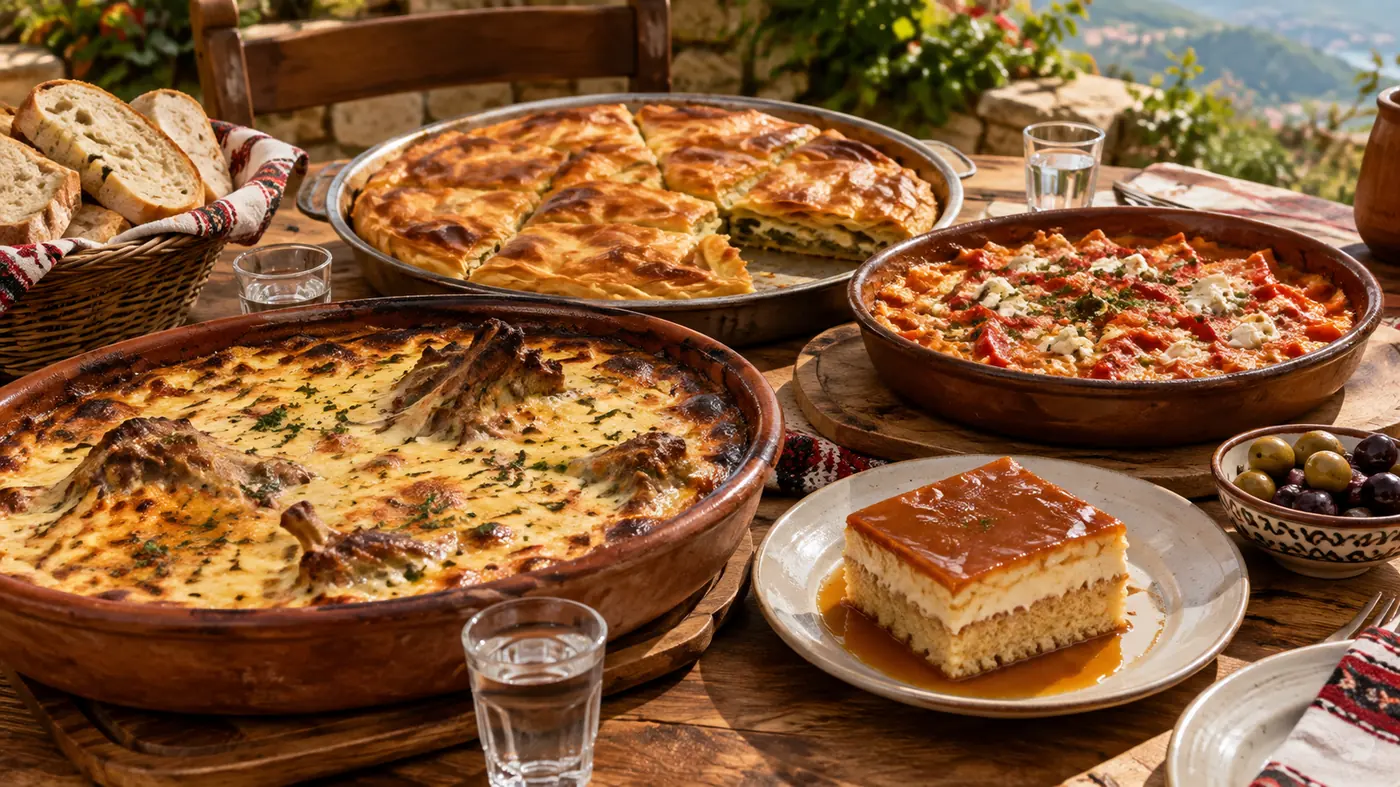
Taste the city with a local guide for three hours: byrek, the market stalls, cheeses, olive oil, honey and a traditional dessert.
Check dates for the local food walkDo you need a passport for day trips from Tirana?
Yes, for trips across a border: Ohrid in North Macedonia, and Prizren and Pristina in Kosovo. Carry a passport or ID on other long trips too, such as Komani Lake.
The Ohrid and St Naum day trip (4.8 from 1,956 reviews) takes about 11 hours and includes the border crossing tax. The Kosovo day trip to Prizren and Pristina (4.8 from 1,401 reviews) takes about 13 hours. Both need a passport, and in summer the border can add a wait. Check the entry rules for your own passport before you travel.
To stay online, ask your mobile provider how roaming works in Albania, which is not in the EU, or buy a local SIM or eSIM in central Tirana. Offline maps help on mountain roads, where the signal can drop.
Frequently asked questions
Do I need cash in Albania?
Yes, some. Cards work in most of central Tirana, but markets, buses, furgons, small shops and many places outside the capital prefer lek in cash.
Is Tirana safe at night?
Yes. People walk around the centre day and night, and Blloku and Skanderbeg Square stay lively until late. Cross roads with care and use metered or app-booked taxis.
Do I need a visa for Albania?
Many visitors, including citizens of the EU, the UK and the US, can visit Albania for short stays without a visa. Check the current rules for your passport before you travel.
Is the National History Museum in Tirana open?
No. It closed on 15 March 2024 for a full rebuild, and the reopening is planned for March 2028. Its big mosaic is still on view from Skanderbeg Square.
Ready to book
Choose your tour
Check your date and the live price on GetYourGuide; the refund terms are shown on each option.
Tirana Highlights and Hidden Corners Walk
- A local guide on foot, in a small group
- Meet at the Clock Tower by the Et'hem Bey Mosque
- Skanderbeg Square and the Skanderbeg statue
Tirana Walking Tour in English, French or Italian
- A licensed local guide in English, French or Italian
- Morning and early-evening departures, about 2.5 hours
- Skanderbeg Square, the Et'hem Bey Mosque and the Clock Tower
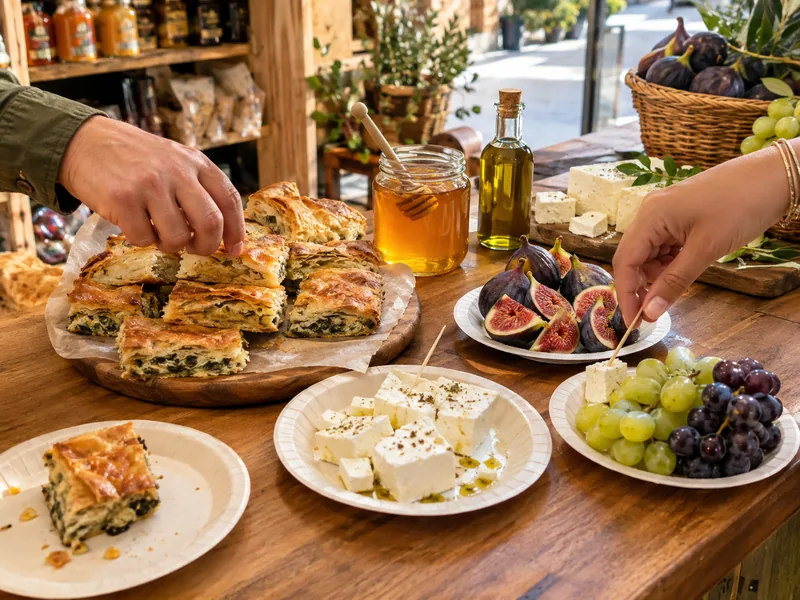
Tirana Local Food Walking Tour
Byrek, cheeses, honey, olive oil and a dessert through the markets and backstreets with a local guide